Kuskovo Museum-Reserve
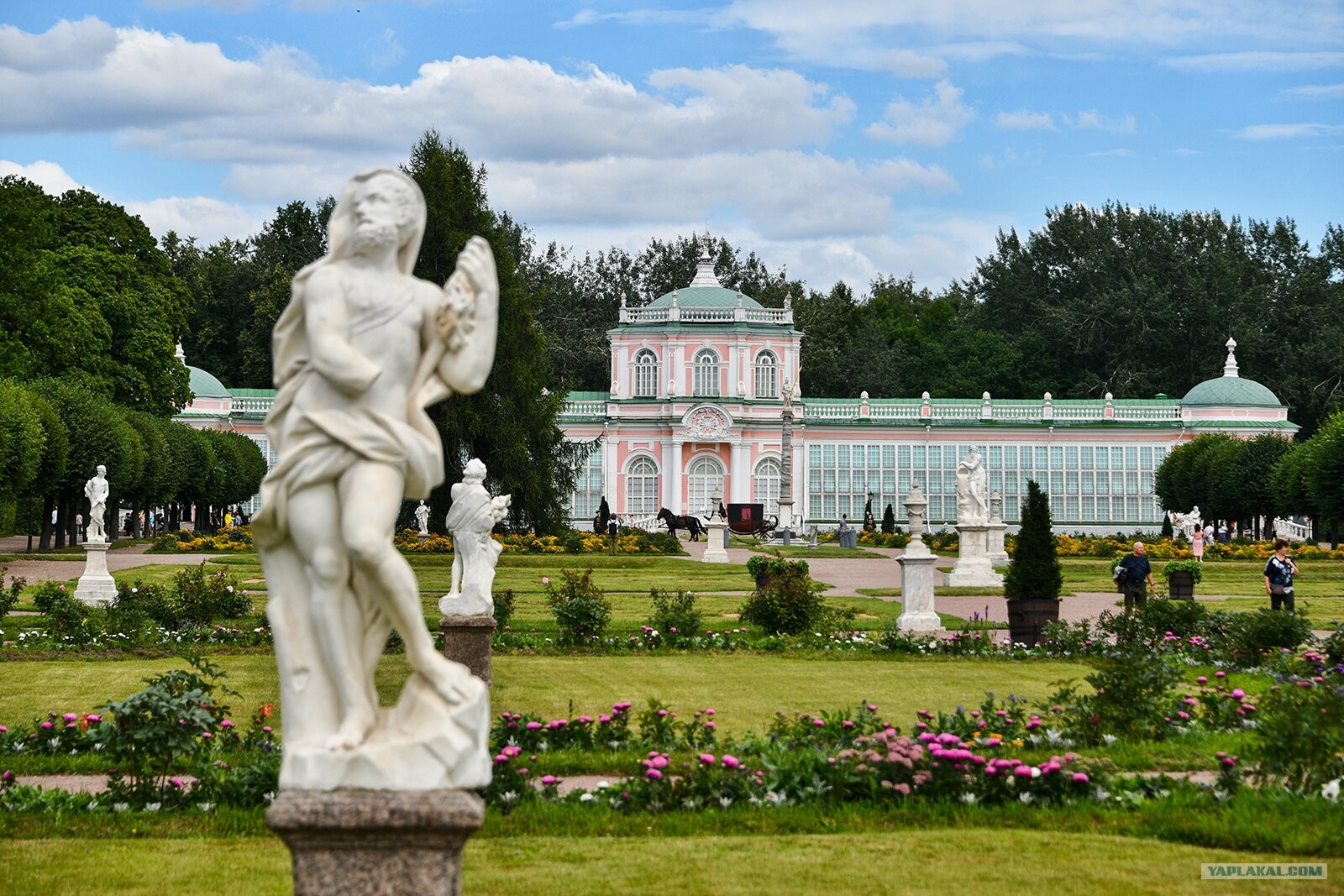
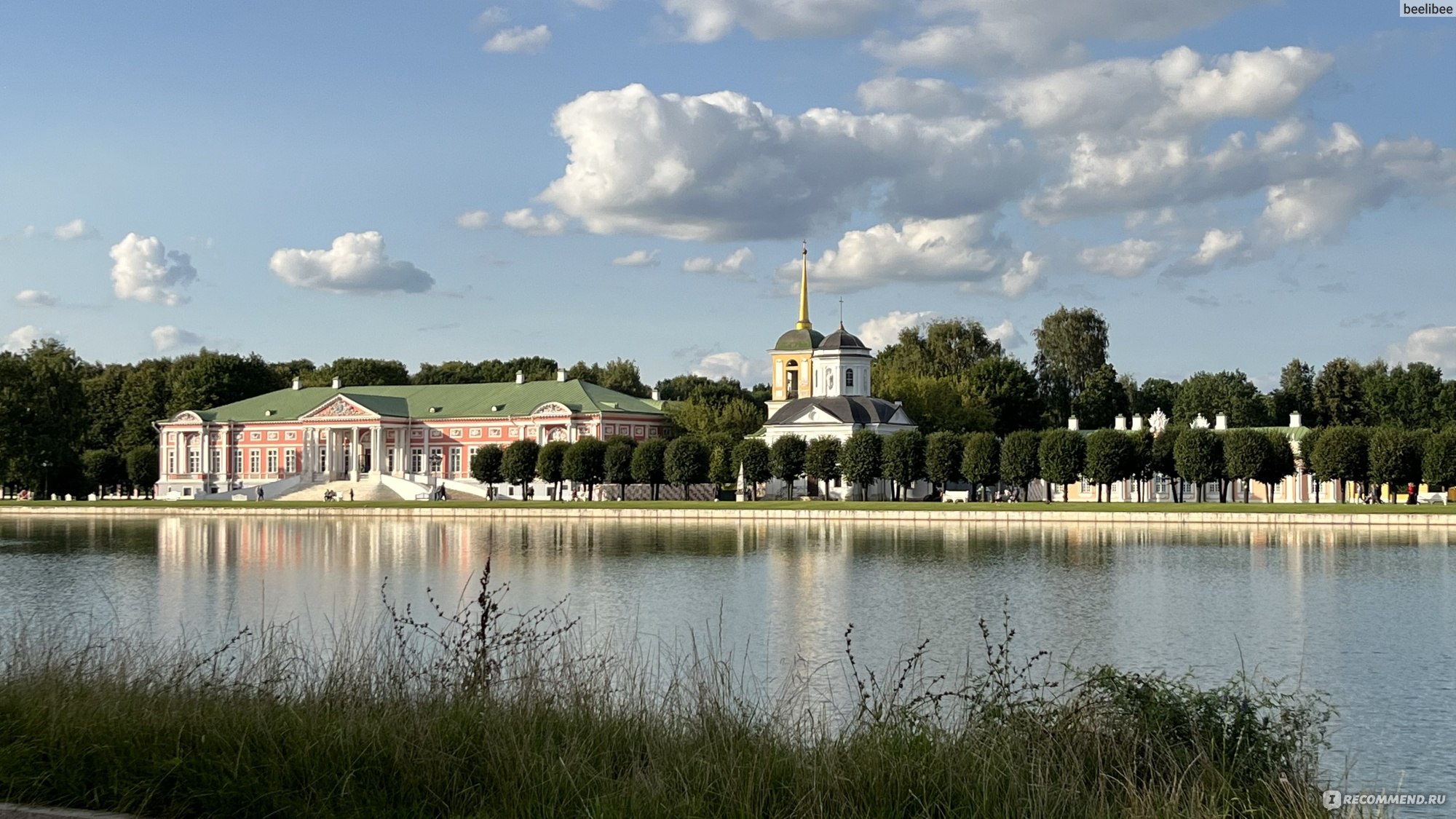
In the east of Moscow, in the picturesque district of Veshnyaki, lies the Kuskovo Museum-Estate – the former estate of the Sheremetev counts, where a unique architectural and artistic ensemble of the 18th century has been preserved to this day. Today, this federally significant cultural heritage site of the peoples of Russia is part of the museum association of the State Palace and Park Museum-Estate “Ostankino and Kuskovo”. The first mentions of Kuskovo as the patrimony of boyar Vasily Andreyevich Sheremetev date back to the 16th century – a period of consolidation of the boyars’ position in the Muscovite state. The Sheremetevs, being one of the leading boyar families, played a significant role in the political and economic life of the country. In 1715, Count Boris Petrovich Sheremetev bought Kuskovo from his younger brother, but the construction of the summer country pleasure residence was started by his son, Pyotr Borisovich Sheremetev. It was during that period, when the Russian nobility, inspired by European models, strove for an exquisite lifestyle, that the final appearance of the estate took shape between 1740 and 1780. The extensive territory of the Kuskovo Museum-Estate was divided into three parts. The largest was the area behind the pond: there stood a menagerie, a stable yard, and a kennel yard. The central part of the estate was occupied by a regular park, which contained the palace and pavilions. The third part of the estate featured the English landscape park “Gai”, which also housed many pleasure pavilions, a theatre building, and the “House of Solitude”, where the estate owners lived from May to September. After the revolution, on October 23, 1918, the Sheremetevs’ summer residence was nationalised, and already in 1919, the Kuskovo estate opened its doors to visitors as a museum. Nationalisation was part of the Soviet government’s policy to preserve cultural heritage and turn it into public property: the Kuskovo Museum was intended to showcase the art and culture of the 18th century to a wide audience. In 1932, the Museum of Ceramics, created on the basis of private collections, was moved to Kuskovo. This museum became the country’s largest collection of ceramic art – from ancient specimens to works by contemporary masters. Among the estate’s landmarks, the Palace holds a special place. Built of wood, it is considered the oldest wooden structure in Moscow that has preserved its authentic 18th-century architectural features, demonstrating the high skill of Russian carpenters and woodcarvers. Equally remarkable is the Grotto pavilion with its large green dome and columns: inside, it is decorated with river and sea shells, creating the illusion of an underwater kingdom. In this unusual structure, combining elements of Baroque and Rococo, the owners hosted receptions for a narrow circle of guests. The Church and Bell Tower, also built in the 18th century, have survived to this day in their original form, serving as examples of Russian religious architecture and reflecting the spiritual values of the estate’s owners. In the Swiss Lodge – a two-storey wooden building demonstrating the influence of European architecture – lived the last owner of the estate, Sergei Dmitrievich Sheremetev. Finally, the Great Stone Orangery with its glazed galleries once served for growing exotic flowers, and today its premises house the main exhibitions of the Museum of Ceramics, allowing visitors to explore a wide range of ceramic wares. The Kuskovo estate represents a unique historical and cultural complex that organically combines architectural, artistic, and natural elements from different eras and styles.
Address: Moscow, Yunosti St., 2