Central Museum of Ancient Russian Culture and Art named after Andrey Rublev
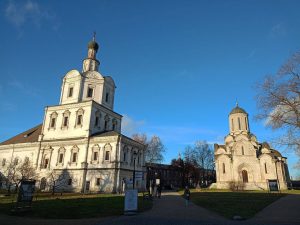
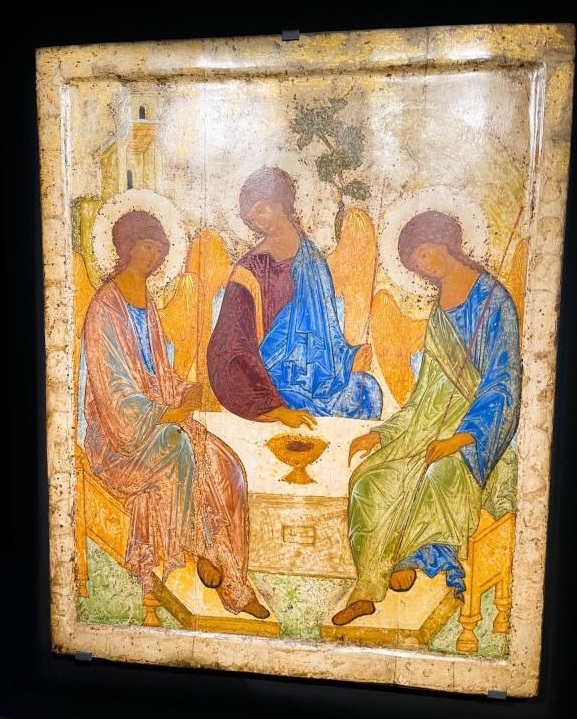
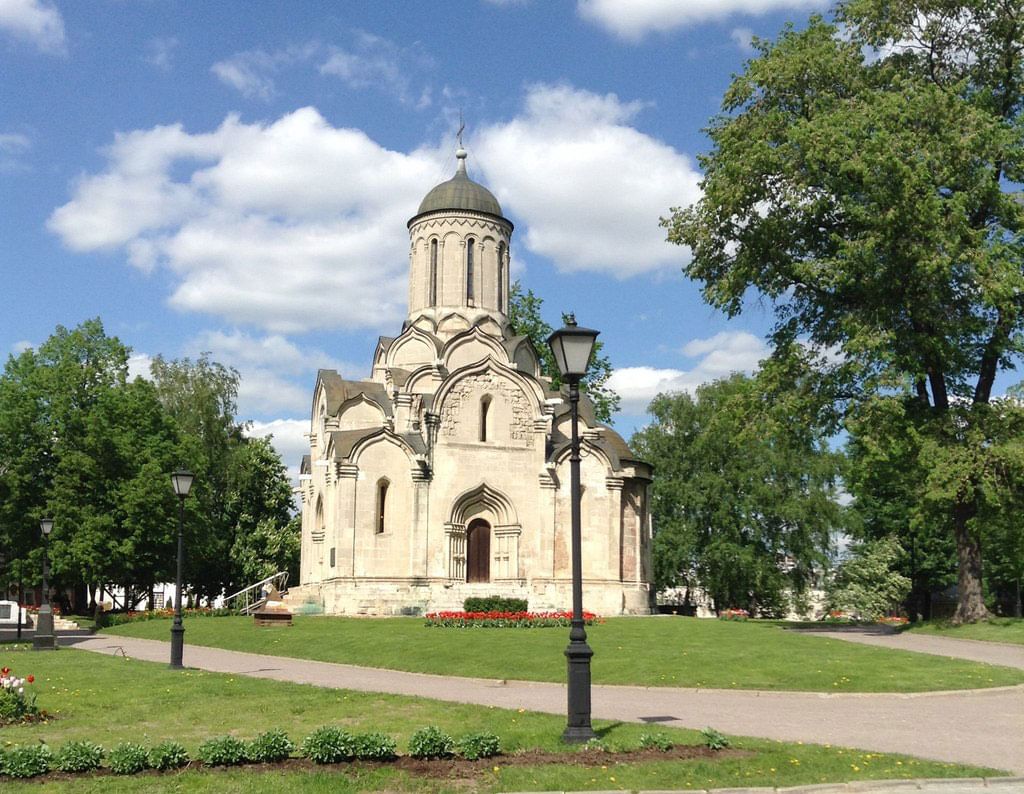
Stepping inside the ancient Savior St. Andronicus Monastery, one can easily feel the atmosphere of Ancient Rus. It was here that the greatest icon painter Andrey Rublev worked and was buried. Today, this sacred site houses the Central Andrey Rublev Museum of Ancient Russian Culture and Art, inviting visitors to encounter the priceless treasures of Russian heritage: icons, frescoes, wooden sculptures, and ancient manuscripts. The museum was founded in 1947 on the initiative of the outstanding architect and restorer Pyotr Dmitrievich Baranovsky. It was he who proved that Andrey Rublev worked and found his eternal rest in this very monastery. This decisive discovery saved the architectural ensemble from destruction, turning the site into a historical and architectural reserve. The museum was also formed through the efforts of its first director, David Ilyich Arsenishvili, and researcher Natalia Alexeevna Demina, who was the leading expert on Rublev’s painting at the time. The museum’s official opening took place in 1960 to mark the 600th anniversary of the famous icon painter’s birth. In 1991, the institution was included in the State Code of Especially Valuable Objects of Cultural Heritage of the Peoples of the Russian Federation. The heart of the monastery is Moscow’s oldest white-stone Savior Cathedral, built between 1410 and 1427. It was painted by Andrey Rublev himself, and to this day, authentic fragments of those frescoes survive in the recesses of the altar windows. The museum’s main exhibition is housed in the Church of the Archangel Michael (late 17th – early 18th century) and the Refectory Chamber (early 16th century). Here, masterpieces of icon painting from the 11th to 19th centuries are on display, including works from the circle of Andrey Rublev and Dionisy, pieces from the workshops of Metropolitan Macarius and Tsar Ivan the Terrible. The particular pride of the collection is the icon Christ Pantocrator of the first third of the 13th century and the unique large-format icon Holy Mandylion of the second half of the 14th century. The museum also showcases frescoes, manuscript books, wooden sculptures, and items of decorative and applied arts, while the open storage Lapidarium features a collection of white stone – sarcophagi, tombstones, and architectural details from the late 14th to 18th centuries. The Andrey Rublev Museum has an important mission: to present the icon not only as a religious object but also as one of the greatest achievements of world art. From its earliest years, active research work has been conducted here. From the 1950s to the 1970s, museum staff organized expeditions that rescued numerous icons from abandoned churches and local history museums across Russia, and they defended the very existence of the institution in those difficult times. For visitors, the museum offers tours of the permanent exhibition, architectural ensemble, and historical grounds; lectures on key themes of ancient Russian art. It also hosts temporary exhibitions, scientific conferences, and academic symposiums. Special attention is given to children, with actively expanding interactive educational and inclusive programs; furthermore, visual navigation is available for hearing-impaired guests. Thus, the Andrey Rublev Museum remains an active center for the preservation, study, and popularization of ancient Russian art, open to everyone who wishes to get acquainted with the origins of Russian culture.
Address: Moscow, Andronevskaya pl., 10