Boris Leonidovich
Pasternak
1890-1960
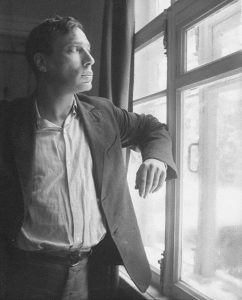
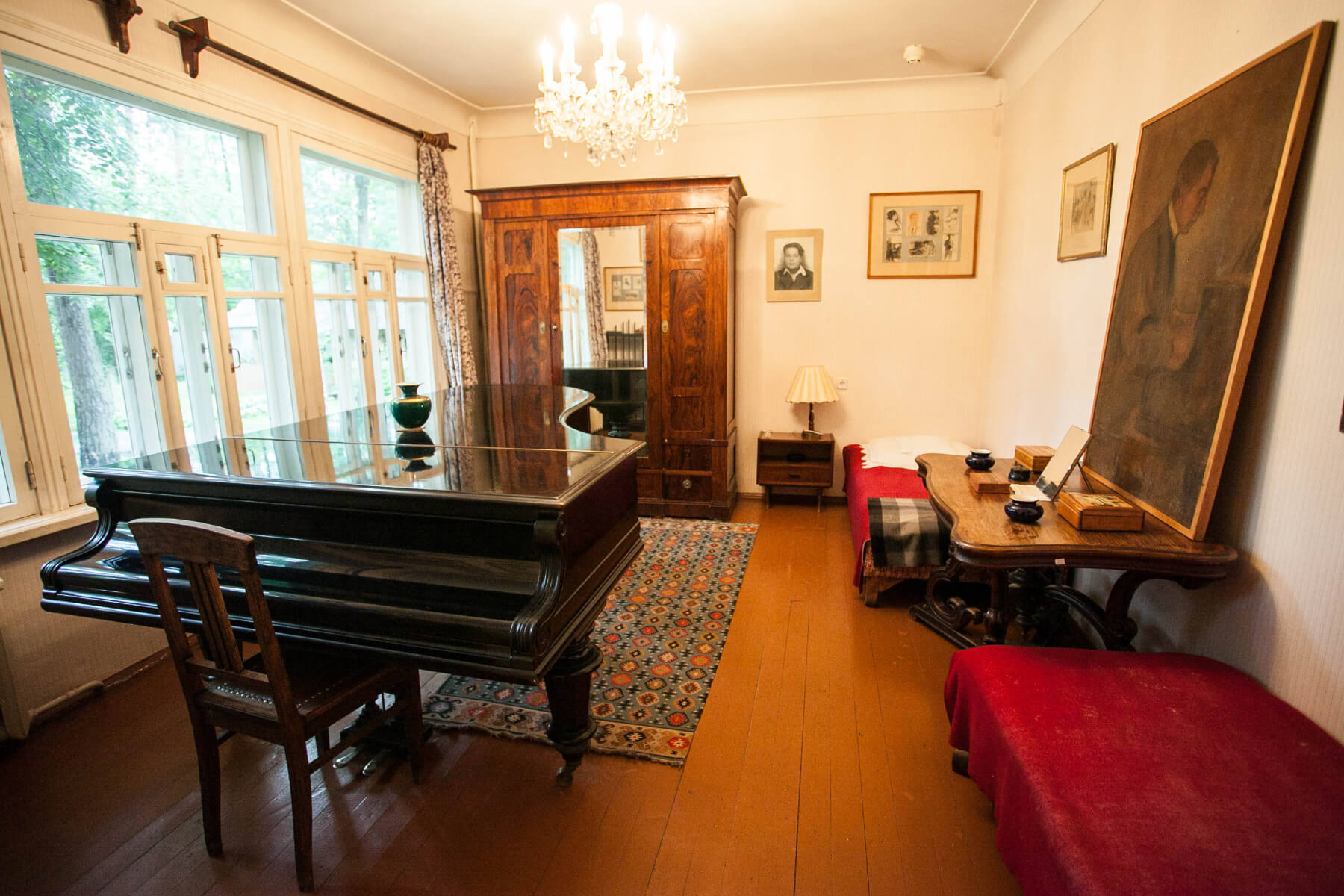
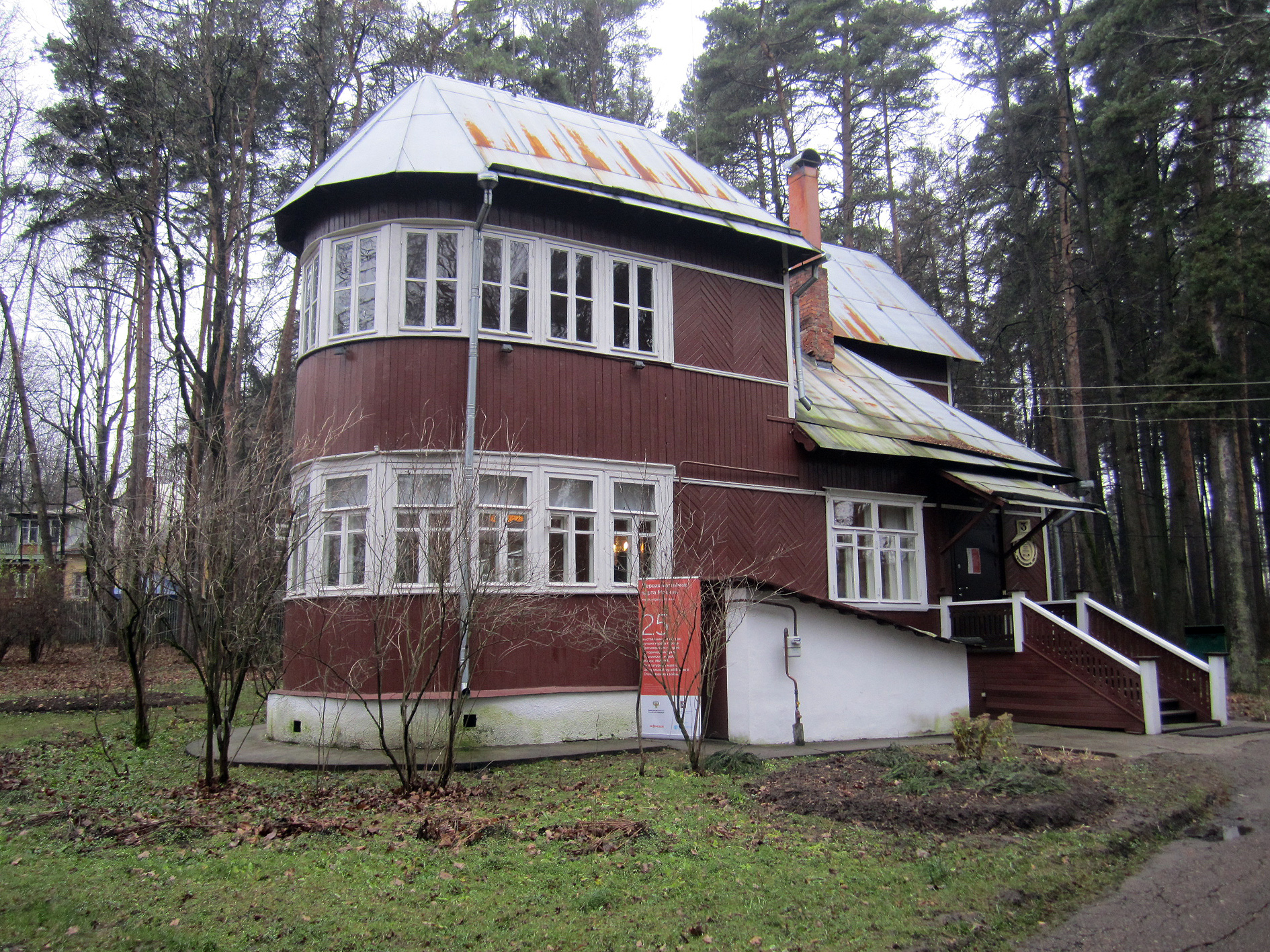
Boris Pasternak was an outstanding Russian poet, prose writer, and translator whose work became one of the pinnacles of 20th-century literature. The artistic atmosphere in his family home contributed to his early immersion in the world of art; guests at the Pasternaks’ house included Leo Tolstoy, Sergei Rachmaninoff, and Isaac Levitan. Beginning his poetic journey in the «Lyrics» group, Pasternak gained widespread fame after the publication of his collection «My Sister-Life» (1922). During this same period, he met Vladimir Mayakovsky and later became a member of the literary group «LEF». A creative trip to Georgia in 1931 greatly influenced the poet and was reflected in his work «Waves». At the same time, Pasternak actively engaged in translation, including works by Georgian authors as well as world classics such as Shakespeare, Goethe, and Schiller. His translation work became an integral part of his activity from 1934 until the end of his life. Pasternak’s major prose work was the novel «Doctor Zhivago», on which he worked for ten years, completing it in 1955. Following the novel’s publication abroad in 1958, the author was awarded the Nobel Prize. However, in his homeland, the book faced severe criticism, leading to Pasternak’s expulsion from the Union of Writers and his forced refusal of the award. Despite health problems (a heart attack in 1952), the poet continued his active creative work. His final collection published during his lifetime was the work «When the Weather Clear» (1956-1959). After Pasternak’s death on May 30, 1960, and his burial in the local cemetery, his family made every effort to preserve his house and its unique interior unchanged. Despite the constant stream of admirers, official recognition of the memorial space remained impossible for a long time. The turning point came only on February 10, 1990, when, on the centenary of the poet’s birth, the first memorial exhibition was solemnly opened there. The dacha settlement of Peredelkino became a deeply personal and creatively significant place for Boris Pasternak. He lived there for over two decades, and in the spring of 1939, he settled in the very house where his museum is located today.
Address: Moscow, Pavlenko St., 3