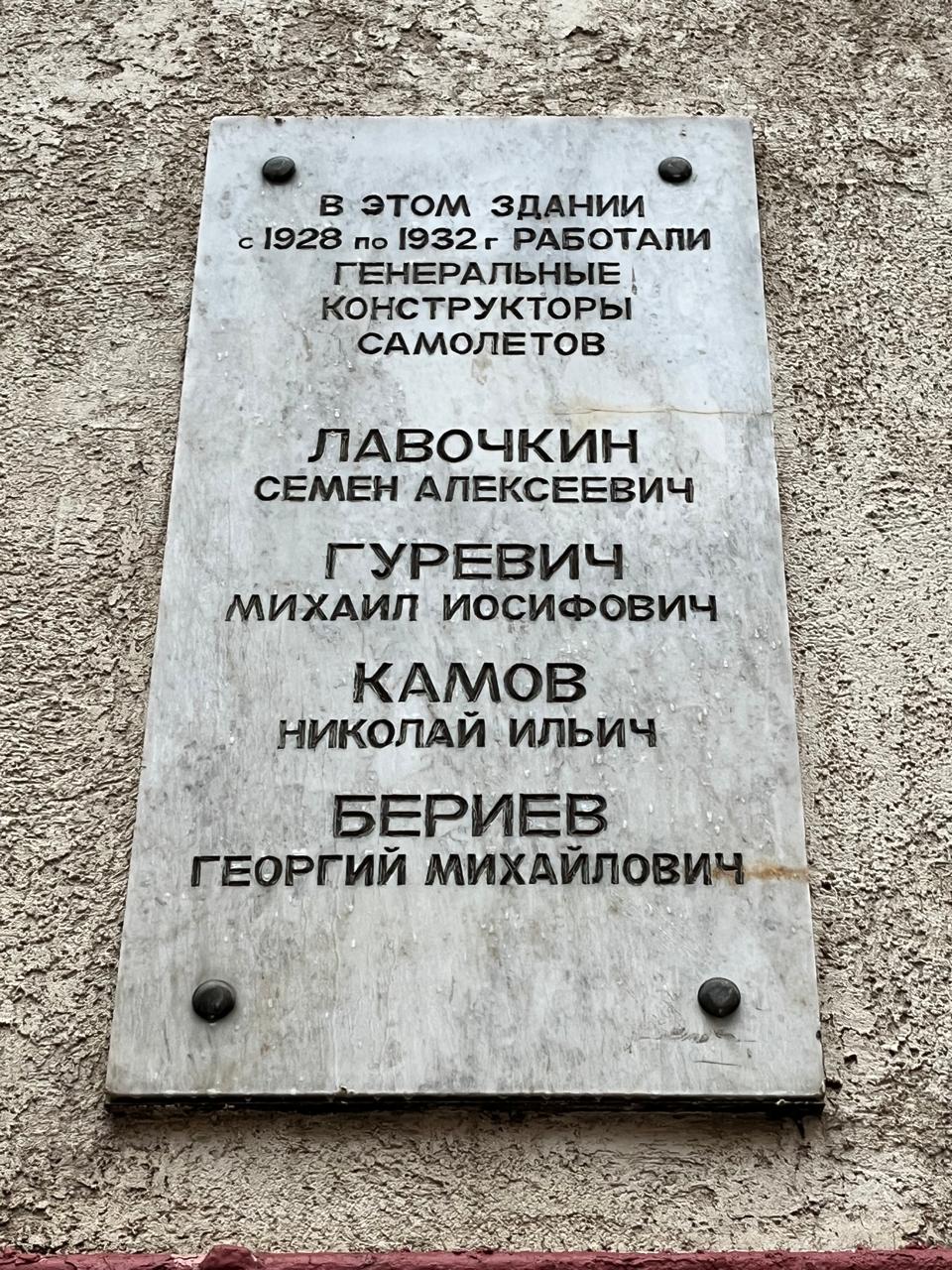
Semyon Alexeyevich
Lavochkin
1900-1960
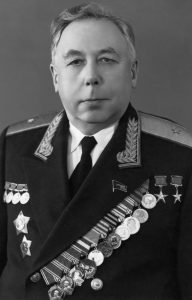
Semyon Alexeyevich Lavochkin was a Soviet aircraft designer, twice Hero of Socialist Labor, Major General of the Engineering and Aviation Service, and the creator of the first Soviet aircraft to reach the speed of sound. In 1939, he became one of the creators of the LaGG-3 fighter, and then, heading OKB-21 in Gorky, he developed the legendary front-line fighters La-5 and La-7, which played a key role in the Great Patriotic War. After the war, his leadership oversaw the creation of jet fighters, the S-25 surface-to-air missile systems, and the “Burya” intercontinental cruise missile.
Mikhail Iosifovich
Gurevich
1893-1976
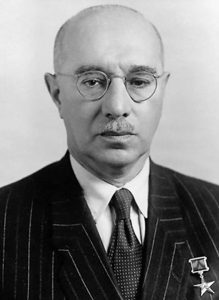
Mikhail Iosifovich Gurevich was an aircraft designer, co-head of OKB-155 (Russian Aircraft Corporation “MiG”), Doctor of Technical Sciences, Hero of Socialist Labor, and a recipient of the Lenin Prize and six Stalin Prizes. He graduated from the Kharkov Polytechnic Institute and interned in the USA at Douglas factories. From 1939, he worked at the OKB under the leadership of A.I. Mikoyan, participating in the creation of all aircraft of the “MiG” brand up to the MiG-25. During the Great Patriotic War, the MiG-3 fighter, created by him and Mikoyan, was built in large series and took an active part in combat operations.
Nikolai Ilyich
Kamov
1902-1973
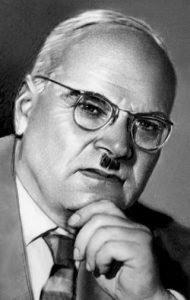
Nikolai Ilyich Kamov was the chief designer of Experimental Helicopter Design Bureau №2 and the founder of the USSR’s first autogyro plant at the Ukhtomskaya station. In 1948, after the successful demonstration of the Ka-8 helicopter (“flying motorcycle”), he organized OKB-2, becoming its permanent head. Under his leadership, the unique Ka-22 rotary-wingcraft, which set 8 world records, and the first ship-based anti-submarine helicopter, the Ka-25, were created.
Georgy Mikhailovich
Beriev
1903-1979
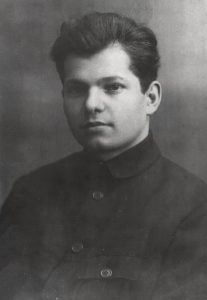
Georgy Mikhailovich Beriev was an outstanding Soviet aircraft designer, Major General of the Engineering and Technical Service, Doctor of Technical Sciences, and the founder of the national school of hydroplane construction. After graduating from the aviation department of the Leningrad Polytechnic Institute in 1930, he soon headed a specialized OKB for marine aircraft construction in Taganrog, which he led for over thirty years. Under his direction, the most mass-produced Soviet hydroplane, the MBR-2, was created, as well as the world’s first serial jet reconnaissance hydroplane, the Be-10, and the legendary Be-12 “Chaika” anti-submarine amphibian, which remains in service to this day and on which about 50 world records have been set.
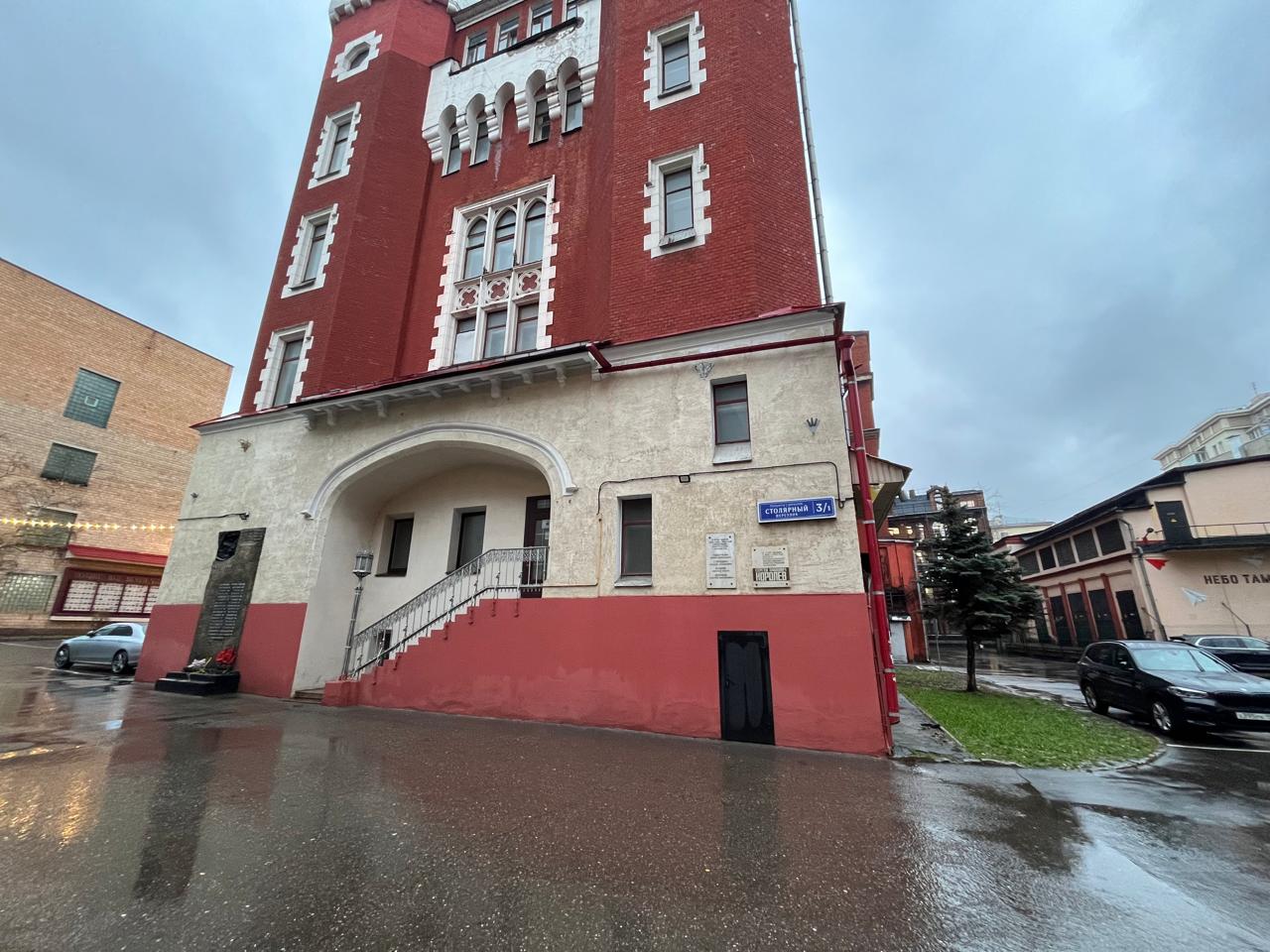
Address: Moscow, Stolyarny lane, 3, building 1