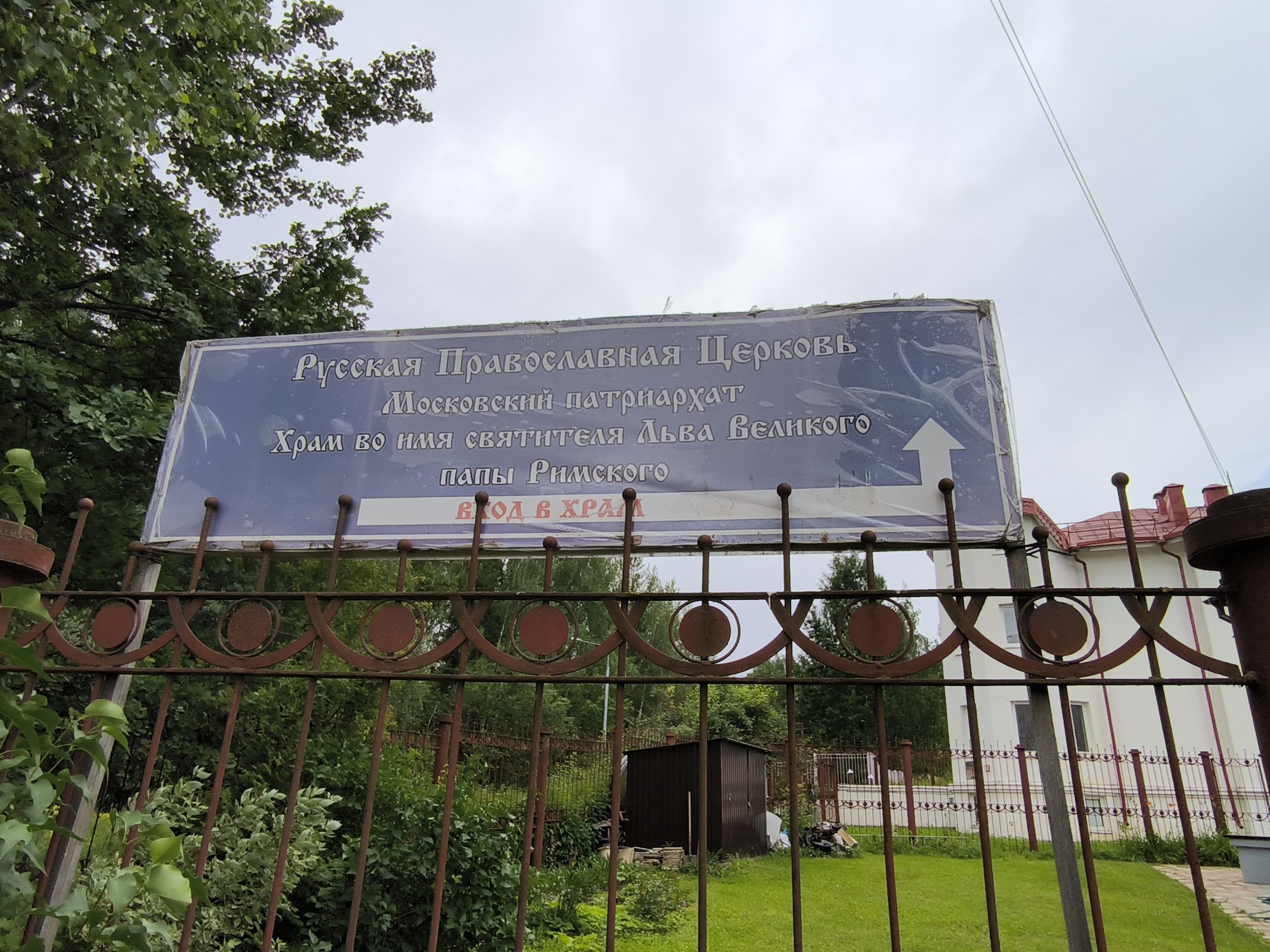
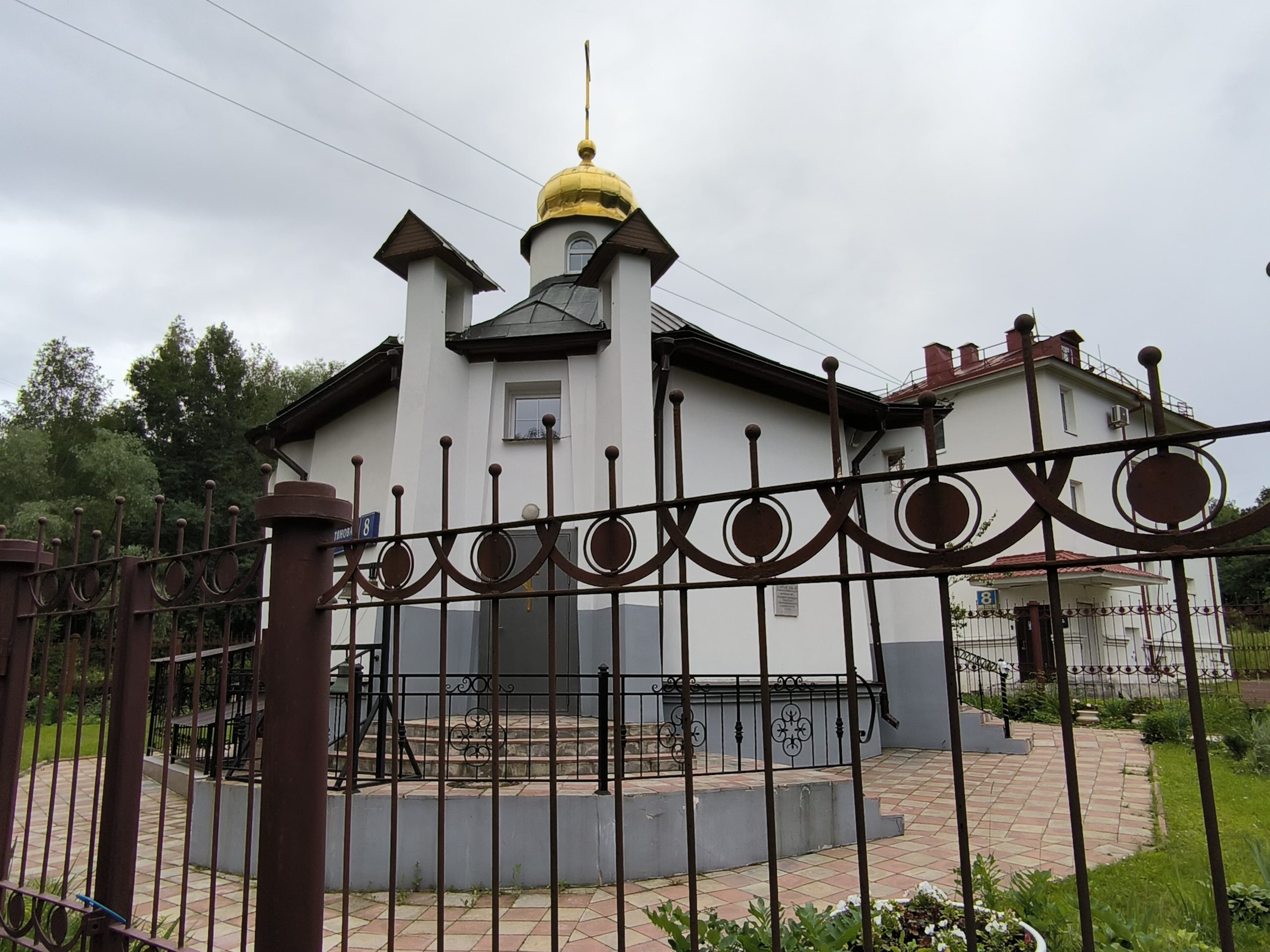
Church of Saint Leo the Great, Pope of Rome
Pope Leo I, known in history with the epithet “the Great” (the first pontiff to be awarded this title), occupied the Holy See from 440 to 461 AD and is revered as a Christian saint and theologian. Born at the end of the 4th century in Tuscany or Rome, despite receiving an excellent secular education and having promising career prospects, he chose the path of spiritual service. Beginning as an archdeacon under Pope Sixtus III, Leo was elected as his successor in September 440. His pontificate became an era of strengthening both the theological and political positions of the Roman Church. Leo I vigorously defended Orthodox doctrine against the heresies of his time: he opposed the Monophysitism of Eutyches and Dioscorus, who denied the human nature in Christ, as well as the errors of Nestorius. A key milestone was his influence on the convocation and proceedings of the Fourth Ecumenical Council of Chalcedon (451), where his letter read aloud, concerning the two natures in the single person of Jesus Christ, received unanimous approval from the Council Fathers and became the basis for the dogmatic definition. In addition to his theological work, Leo the Great proved to be an outstanding protector of his flock and Rome from barbarian invasions. In 452, he managed to persuade Attila, the leader of the Huns, to leave Italy, and in 455, he mitigated the devastation of Rome by the Vandals under Genseric. His theological legacy includes a clear exposition of the doctrine of the Incarnation, and in matters of church governance, he consistently argued for “primatus Petri” (the primacy of Saint Peter) as the source of the authority of the Roman See, rather than the political significance of the city. In practice, this was expressed in limiting the powers of metropolitans, as seen in his intervention in a conflict in Gaul in 445 in favor of the deposed Bishop Chelidonius of Besançon. Leo I died on November 10, 461, and was buried in St. Peter’s Basilica in the Vatican. His memory is celebrated in the Orthodox Church on February 18 (March 3), and in the Catholic Church on April 11 and November 10. In 1754, Pope Benedict XIV declared him a Doctor of the Church. In Moscow, a unique place of veneration for the saint is the church-chapel on Ostrovityanova Street, built in 2011 with funds from academician L.A. Piruzyan, who also donated icons to the church and actively participated in preparations for its consecration. This church, architecturally harmoniously integrated into the landscape of Troparevsky Park, is the only one in the capital dedicated to Saint Leo the Great-a zealous defender of the faith and purity of Orthodoxy, whose 1550th anniversary of repose was commemorated in 2012.
Address: Moscow, Ostrovityanova str., 8, building 1