R.I. Schroeder Arboretum
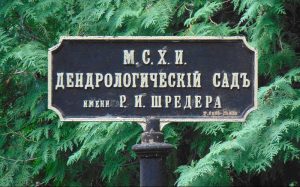
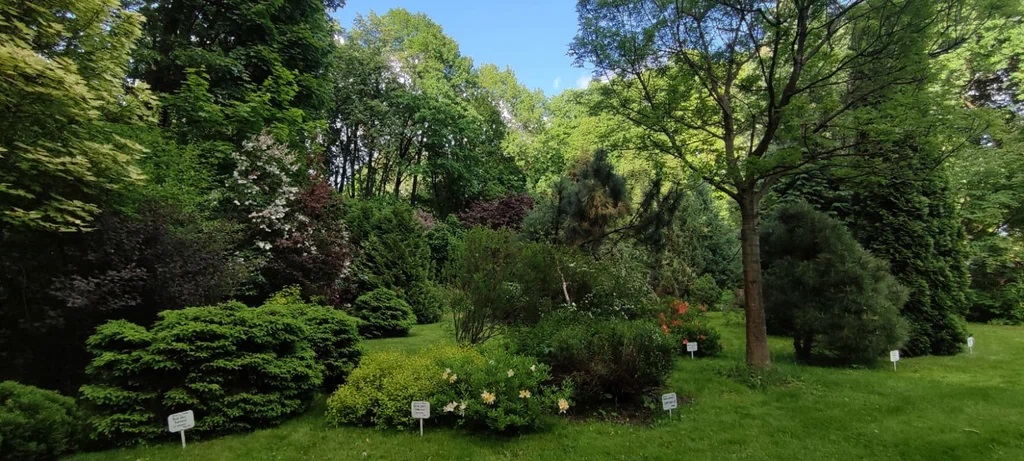
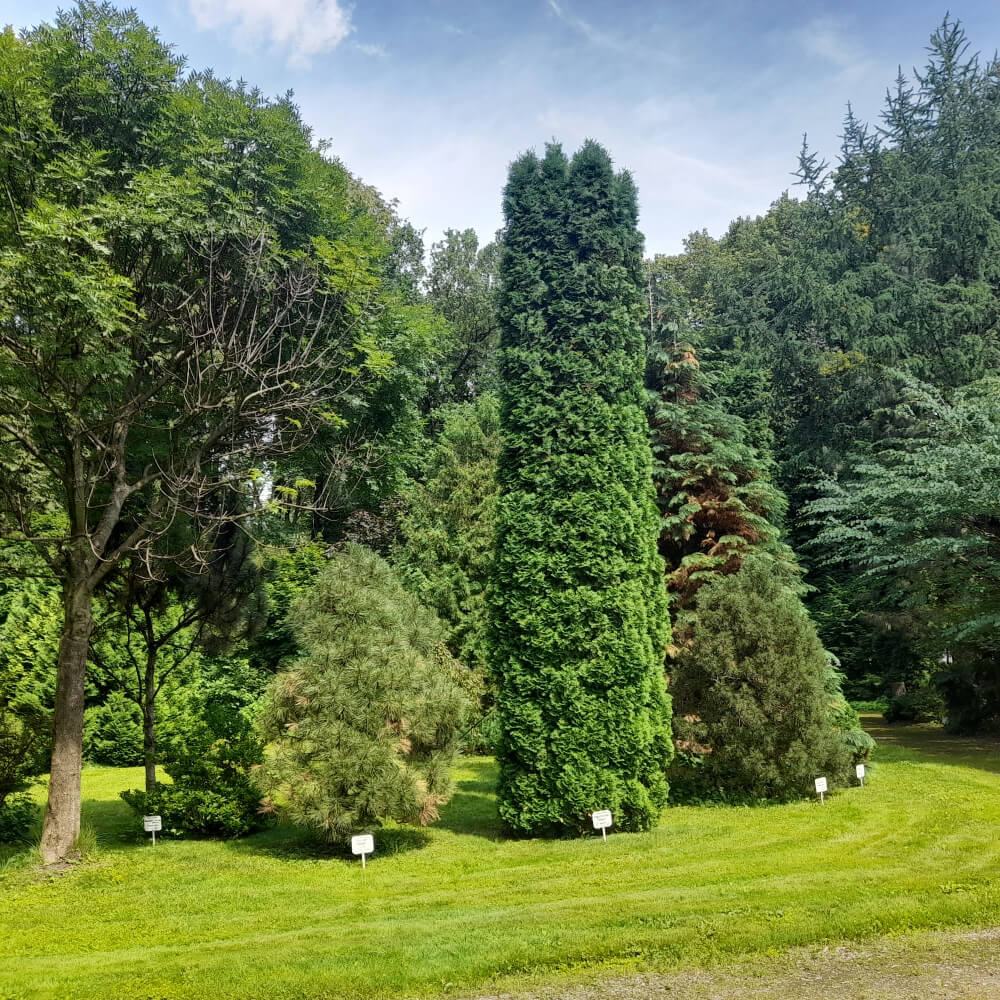
In the heart of Moscow’s Timiryazevsky District, on the grounds of the city’s oldest agricultural academy, there is a hidden corner where time seems to flow differently. The R.I. Schroeder Arboretum is more than a plant collection; it is a masterpiece of landscape gardening, a living chronicle of scientific research, and a place where nature and history exist in close union. The garden was founded in 1862 by Professor R.I. Schroeder, a gardener and dendrologist of Danish origin whose fate became closely linked with Russia. Arriving in the late 1840s, he first worked in St. Petersburg and later accepted an invitation to become head gardener of the Petrovsky Forest and Agricultural Academy – the institution that evolved into the Timiryazev Academy. Schroeder was allocated a plot of more than 12 hectares for his experiments, where he tested the adaptability of exotic plants to the conditions of the central Russian belt. The garden opened to visitors in 1870, and Schroeder directed it for forty years. His fundamental work, The Russian Vegetable Garden, Nursery, and Orchard, remains a standard reference for specialists. In 2012 a monument to Schroeder was erected on Listvennichnaya Alley, which he himself helped lay out. Today the arboretum covers 12.4 hectares divided into 20 sections. Its layout exemplifies thoughtful landscape design: broad clearings framed by massifs of century‑old trees expand the vistas, while gently curving paths invite a leisurely stroll and ensure new discoveries at every turn. Historical features of particular value include an alpine rockery dating to the mid‑19th century, a small garden pond at the foot of a hill, and drainage ditches lined with bricks stamped by imperial factories. In the 2020s the garden was revitalized through large‑scale restoration: drainage systems and pedestrian routes were repaired, and plant collections were renewed. The botanical diversity is impressive: more than 860 species of woody plants, including about 500 angiosperm species from 44 families, and 166 gymnosperm species such as junipers, pines, spruces, and yews. The collection includes many species listed in the Red Book of the Russian Federation: Betula maximowiczii, Betula schmidtii, Prinsepia sinensis, Aristolochia manshuriensis, Ilex crenata, Kalopanax septemlobus, yews, Corylus colurna, Buxus sempervirens, and Rhododendron smirnowii. Many trees date back to the 19th century, with ages exceeding 150 years; notable long‑lived residents include Siberian stone pine, Balkan pine, several larch species, an old hemlock, and a majestic pedunculate oak. The collection continues to evolve: species that once frequently froze, such as the tulip tree and Siebold’s magnolia, now thrive more reliably thanks to climate warming. The arboretum remains an important testing ground: trees and shrubs from around the world are evaluated for their suitability to central Russian conditions. Graduate and master’s students conduct research here, and students from RSAU-MTAA and other universities receive practical training in botany, dendrology, and landscape architecture. Studies of plant hardiness, cultivation techniques, and landscaping potential are ongoing. Active seed and seedling exchange with other botanical gardens extends the arboretum’s scientific ties far beyond Moscow. The garden’s history preserves the memory of eminent visitors: Leo Tolstoy, Fyodor Dostoevsky, Isaac Levitan, Konstantin Paustovsky, and Vladimir Mayakovsky all visited the grounds. The great geneticist Nikolai Vavilov completed a student internship here – it may have been these very alleys that kindled his lifelong passion for plants. The R.I. Schroeder Arboretum is a cultural heritage site of regional significance. Landscape architect S.N. Palentréer called it an outstanding and unmatched example of landscape design. The garden continues to develop: new species are being added, and guided tours, scientific events, and educational programs are regularly offered. It is a place where history and science intertwine, and where the beauty of nature inspires fresh discoveries. Every visitor becomes part of this remarkable story.
Address: Moscow, Pasechnaya St.