“Izmailovo” Estate
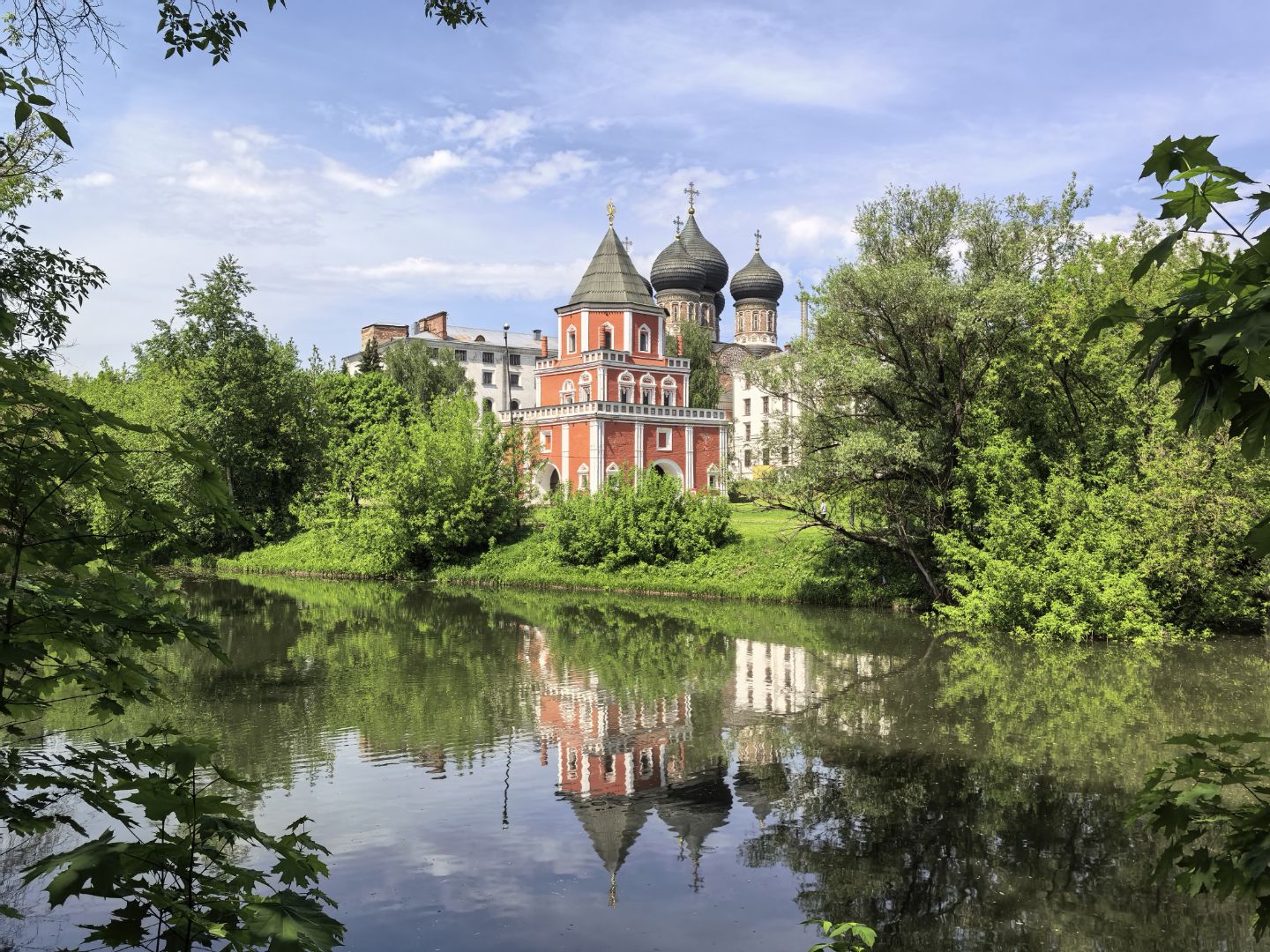
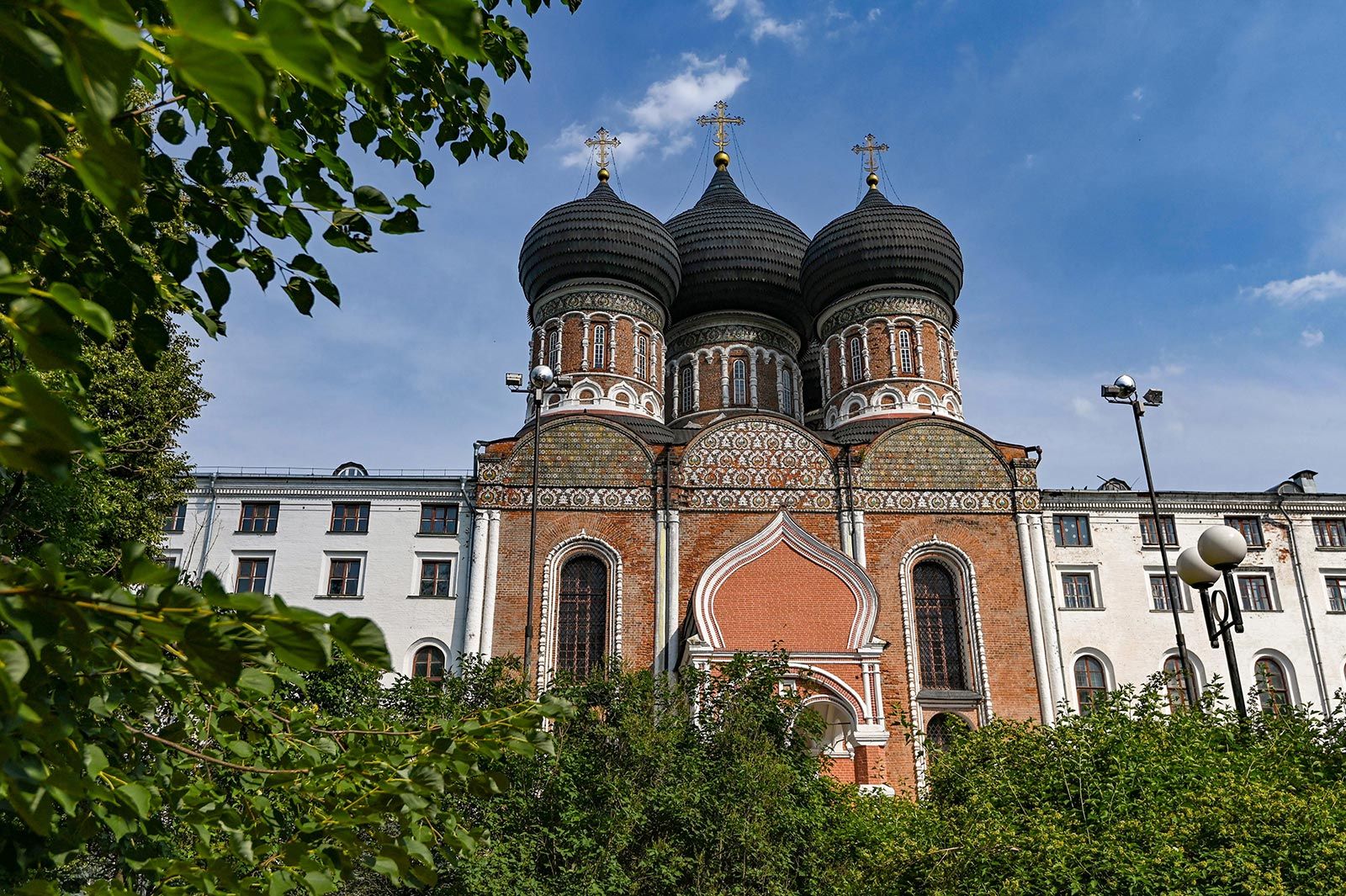
In Moscow’s history, the Izmailovo Estate – also known as Izmailovsky Island or Bauman Town-holds a special place. The territory of the former boyar, royal and Imperial manor is now part of the Moscow State United Museum-Reserve. Izmailovo is a federally protected cultural heritage site and a specially protected natural area; its transformation from a tsar’s residence to a modern museum complex reflects key stages in Russia’s development. In the 16th century, Izmailovo passed into the possession of the Romanov family, which marked the beginning of its rapid growth. The estate reached its highest prosperity during the reign of Tsar Alexei Mikhailovich, known as the “Quietest”. Under him, Izmailovo became a model farmstead, advanced for its time. In the 1660s, by the tsar’s decree, artificial ponds – the Silver Pond and the Grape Pond – were created in the floodplain of the Serebryanka River, forming a man-made island. These hydraulic structures not only adorned the territory but also played an important role in the estate’s economic activities. In the 19th century, during the reign of Emperor Nicholas I, Izmailovsky Island acquired a new significance. In memory of the victory in the Patriotic War of 1812, a military almshouse for veterans was established here. The design of the complex was developed by the renowned architect Konstantin Thon, underscoring the importance of this institution in the state policy of that time. After the October Revolution of 1917, Izmailovo underwent substantial changes: one of Moscow’s first workers’ settlements was organized on the island, symbolizing a new era in Russian history. Finally, in 2007, the estate was granted the status of a specially protected area and became part of the museum‑reserve, ensuring the preservation of its unique historical and cultural heritage. The architectural ensemble of Izmailovo is a valuable example of Russian architecture from the 17th to the 19th centuries. The Bridge Tower, once part of a stone arched bridge across the Silver Pond, served as the main entrance to the estate; its three‑tiered structure is adorned with bright glazed tiles featuring motifs characteristic of Russian decorative art. The Intercession Cathedral – the Church of the Intercession of the Mother of God, built between 1671 and 1679 on the site of an older wooden church – draws attention with its five black domes and polychrome tiles in the “peacock’s eye” style, demonstrating the high skill of Russian craftsmen. The Triumphal Cast‑Iron Gates, erected in 1852 at the expense of the merchant Ivan Sorokin, served as the main entrance to Izmailovsky Island and symbolized Russia’s military victories. Today, the estate houses various exhibitions dedicated to different periods of history and culture. The exhibition “Izmailovo – a Tsar’s Patrimony of the 17th Century” allows visitors to immerse themselves in the atmosphere of the estate’s heyday under Alexei Mikhailovich. On display are drawings of Izmailovo lands, glazed tiles, agricultural tools, samples of wood and white‑stone carving, an original 17th‑century water pipe, and bricks stamped from the tsar’s brickworks. The exhibition “Open Storage. Stoves and Tiles” showcases a rich collection of architectural ceramics from the museum‑reserve’s holdings: tiles that once adorned churches and other buildings, ceramic panels, and stove tiles – valuable examples of Russian decorative and applied art. Regular excursions, lectures, and workshops for different age groups are held on the estate grounds. The lecture series “Old Moscow Apartment” recreates the atmosphere of the Soviet era and offers visitors a chance to learn about the history of Izmailovsky Island from tsarist times through the Soviet period. Thus, Izmailovo represents a unique historical and cultural complex that combines elements of a tsar’s residence, a military memorial, and a modern museum space, making it a significant site of Russia’s cultural heritage.
Address: Moscow, gorodok im. Bauman street, 2, p. 1