Cathedral of
Christ the Saviour
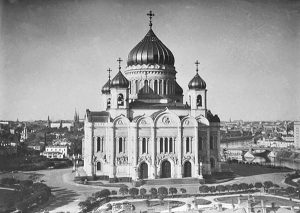
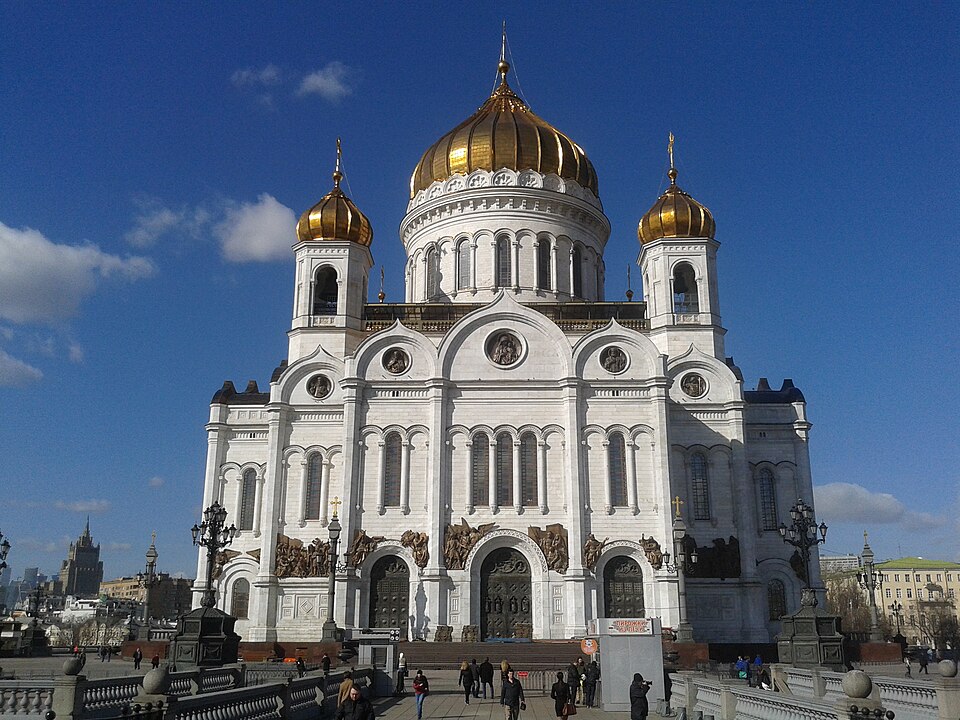
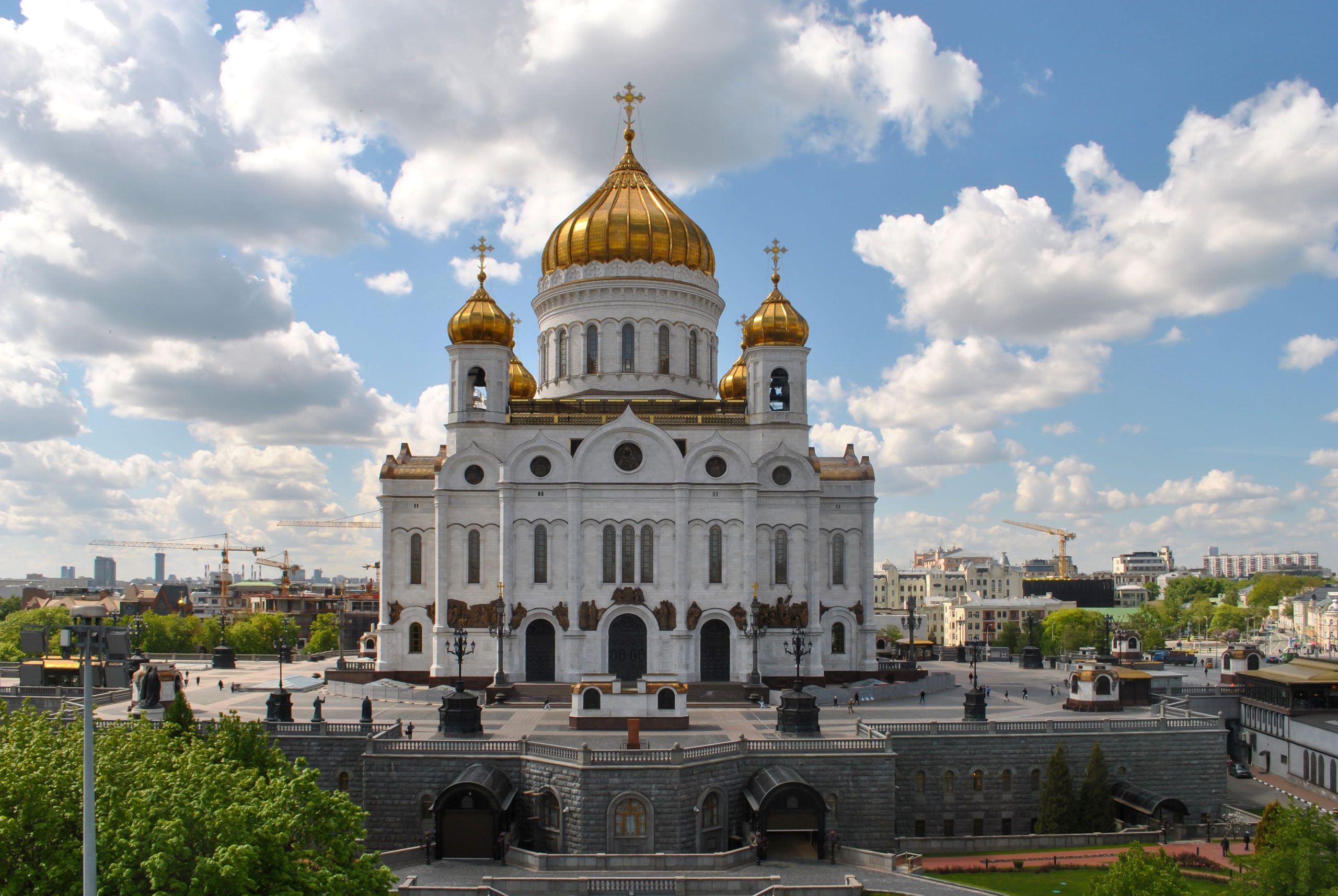
In the very heart of the Russian capital, on the picturesque bank of the Moskva River, rises a silhouette that has become an integral part of the city’s image and a symbol of national identity. The Cathedral of Christ the Saviour, whose full title is the Cathedral Church of the Nativity of Christ, is not only the main cathedral of the Russian Orthodox Church but also a multifaceted monument to national history, embodying the spirit of national repentance and triumphant revival. The roots of the Cathedral of Christ the Saviour date back to 1812 when, after the expulsion of Napoleon’s troops, the idea arose to immortalize gratitude to God for the salvation of the Fatherland. Emperor Alexander I issued a manifesto, but it was Nicholas I who brought the concept to life, approving in 1832 the design by architect Konstantin Ton. The construction, which spanned nearly half a century, was completed with a solemn consecration in 1883. This grandiose cathedral, capable of holding up to 10000 worshippers, instantly became a center not only of religious life but also of social life in the Russian Empire. The fate of the first Cathedral of Christ the Saviour was tragic. During the era of state atheism, in 1931, this majestic structure was barbarically destroyed to make way for the proposed Palace of the Soviets. This grandiose project was never realized, and from 1960 to 1994, the famous “Moskva” open-air swimming pool was in operation on the historic site. The wave of spiritual revival and historical re-evaluation in the 1990s led to the decision to recreate the cathedral. Extensive work, funded by donations from millions of citizens, was completed in record time. In 2000, the rebuilt cathedral once again appeared before Russians and visitors to the capital, returning to Moscow its lost spiritual landmark. The modern Cathedral of Christ the Saviour is an exact external replica of Konstantin Ton’s creation, executed in the forms of the Russian – Byzantine style, with the active use of advanced construction technologies. It is not merely a place of worship but a majestic memorial to military glory, a collective cenotaph for the soldiers of the Russian Imperial Army who fell in the heroic Patriotic War of 1812. Every slab, every bas-relief on the walls of the cathedral carries the memory of the sacrifices and the unparalleled feat of the people. The cathedral holds the status of a patriarchal metochion and is a key center of the country’s church life. Its unique complex includes the Upper (Main) Church consecrated in honor of the Nativity of Christ, which is the central place for divine services; the Lower Church (Transfiguration) built in memory of the Alekseevsky Convent that once stood on this site; the Church of the Intercession of the Mother of God, another significant part of the cathedral complex; and the Wooden Chapel-Church of the Sovereign Icon of the Mother of God, a special, secluded place for prayer. The Cathedral of Christ the Saviour is hospitably open to all, offering a space both for prayer and for getting acquainted with an outstanding monument of Russian culture. Visiting Rules: As an active cathedral, the Cathedral of Christ the Saviour requires adherence to established norms of conduct. Women are advised to cover their heads and wear clothing that covers their shoulders and knees. Men, in turn, are asked to avoid shorts and sleeveless shirts. Inside the cathedral, loud conversations, eating, and photo/video recording are prohibited, except in specially designated areas such as the observation decks.
Address: Moscow, Volkhonka str., 15