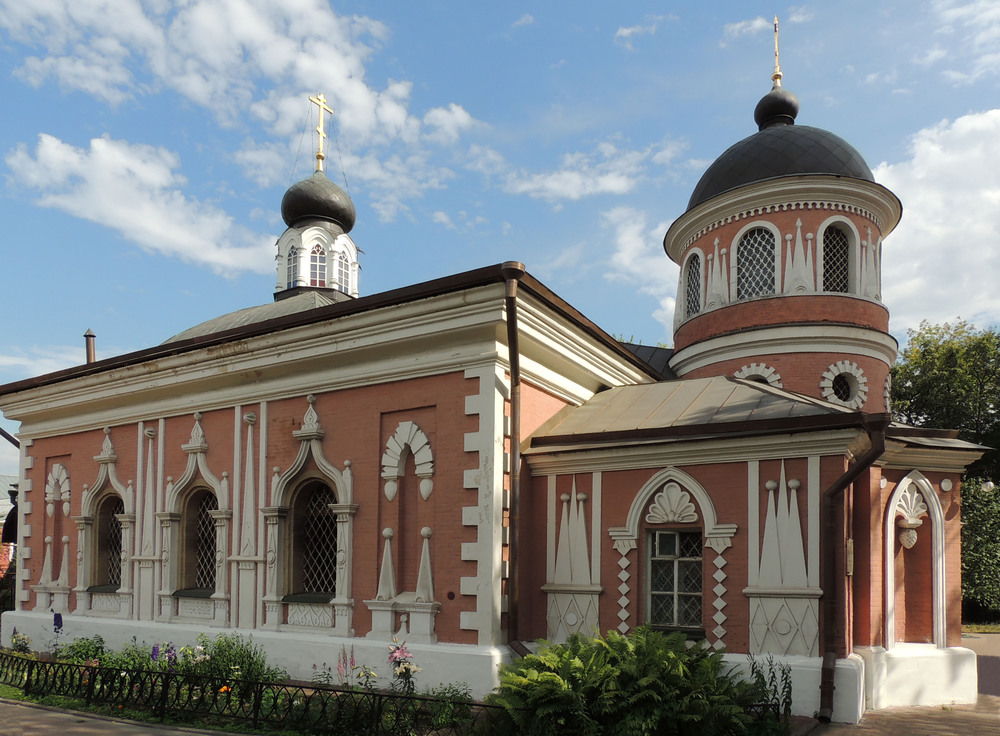
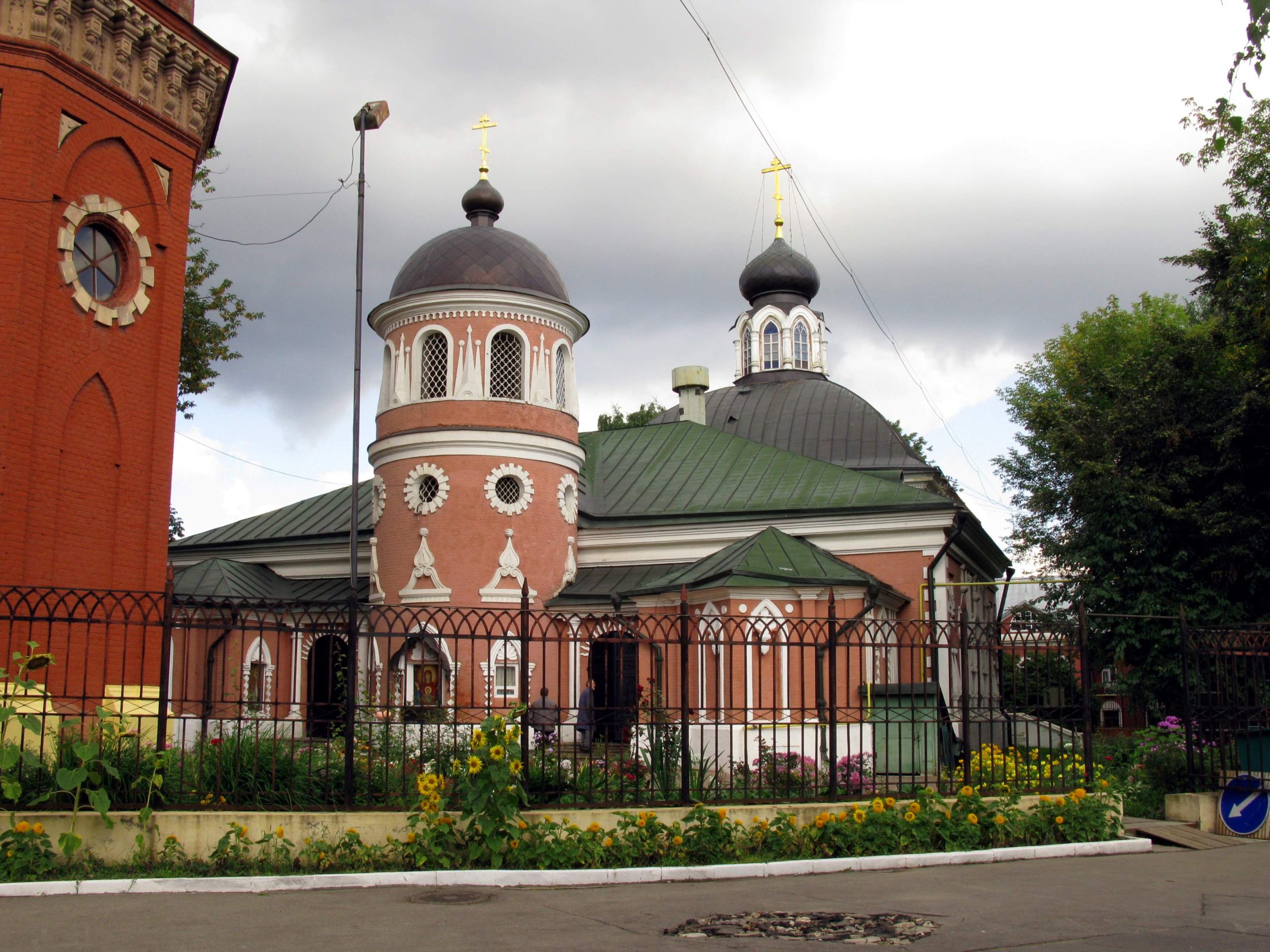
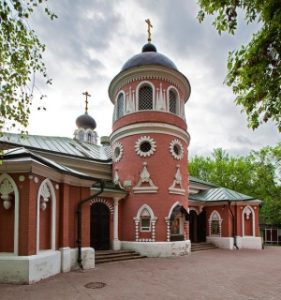
Church of St. Nicholas the Wonderworker at the Preobrazhenskoye Cemetery
Saint Nicholas the Wonderworker, Archbishop of Myra in Lycia, is one of the most revered saints in the Christian world, famous for his kindness, generosity, and miracles. His life, although shrouded in pious traditions, is a vivid example of selfless service to God and people. According to church tradition, Saint Nicholas was born in Asia Minor, in the Greek colony of Patara (Lycia, in the territory of modern-day Turkey) in the second half of the 3rd century. From childhood, he was distinguished by deep faith and a desire to study the Holy Scriptures, spending his days in church and his nights in prayer and reading. His uncle, the Bishop of Patara, noticing his nephew’s spiritual gifts, ordained him as a priest. After the death of his parents, who left him a considerable fortune, Nicholas distributed all his inheritance to the needy, becoming famous for his secret charity. The most famous legend tells how he three times threw bags of gold into the house of an impoverished townsman to save his daughters from dishonor. In his mature years, Nicholas was elected Archbishop of the city of Myra, the capital of Lycia. His archpastoral ministry fell during difficult times: first, the fierce persecutions under Emperor Diocletian, during which the saint was imprisoned but miraculously avoided martyrdom; then, the period of the establishment of Christianity under Emperor Constantine the Great. At the First Ecumenical Council in Nicaea (325 AD), he is said to have ardently defended the Orthodox doctrine of the divinity of Christ. Saint Nicholas became famous not only as a defender of the faith but also as a miraculous helper in the most dire circumstances. Numerous traditions testify to his intercession: he saved sailors from storms, resurrected the dead, freed the unjustly condemned from execution, and secretly helped the poor. One of the most famous miracles was the salvation of an entire city from famine: appearing in a dream to an Italian merchant, the saint gave him a deposit of three gold coins and ordered him to bring grain to the starving Myra. Waking up, the merchant found the money in his hand and, shocked by the miracle, fulfilled the request. Saint Nicholas peacefully passed away to the Lord around 345 AD at a very old age. His venerable relics were placed in the cathedral church of the city of Myra and began to exude a healing myrrh, bringing about many healings. In 1087, saving the shrine from desecration by Muslims, Italian merchants transferred the relics to the city of Bari (Italy), where they rest to this day, remaining one of the most venerated Christian relics. The veneration of Saint Nicholas is extraordinarily wide: he is the patron saint of sailors, travelers, merchants, children, and all who are unfairly wronged. In Western tradition, his image, having transformed, became the prototype for Santa Claus, who brings gifts at Christmas. The Orthodox Church celebrates his memory on December 19th (the day of his blessed repose) and May 22nd (the transfer of his relics). His love for people, readiness to help, and selfless generosity have made him «the rule of faith and the image of meekness» for millions of Christians around the world.
Address: Moscow, Preobrazhensky Val St., 25, p. 9