E.F. Liskun Museum of Animal Husbandry
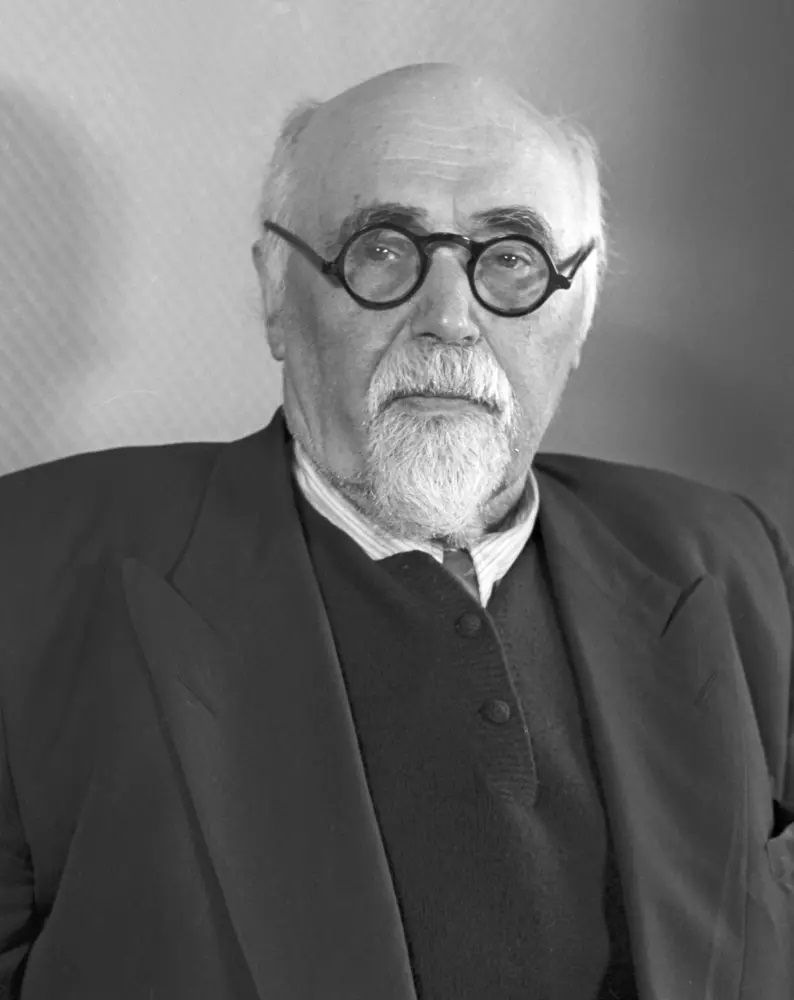
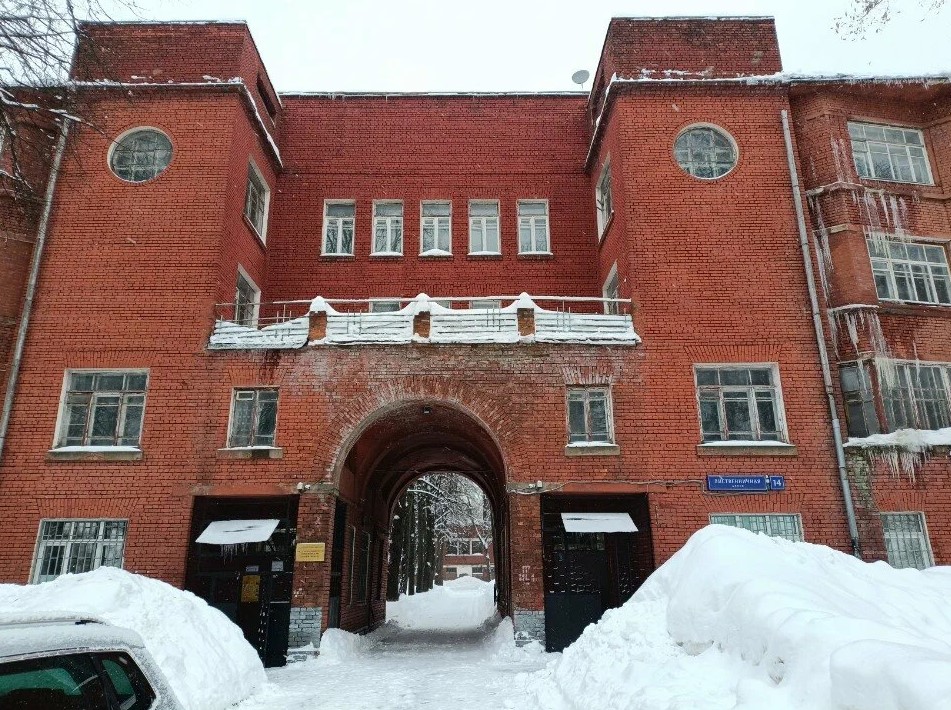
In a historic building on Listvennichnaya Alley, part of the legendary agricultural‑academy complex, stands the Efim Fedotovich Liskun State Museum of Animal Husbandry. The museum is not merely a collection of exhibits but an active scientific and educational centre where academic knowledge takes material form and historical heritage underpins contemporary research in zootechnics. In 1947 Academician E.F. Liskun donated his unique collection to the Timiryazev Academy, and the museum was established in 1950 as an educational support unit. As historian of agricultural education A.I. Petrov noted, Liskun “laid the systematic foundations for evaluating farm animals by conformation and productivity, creating the scientific basis for breeding work” (A.I. Petrov, The Development of Zootechnics in Russia, 1960). The institution has federal status and is housed in a building that is itself a cultural heritage site, fulfilling a threefold mission: scientific research, educational support, and outreach. The museum’s holdings number over 2,500 inventory items, spanning the 18th century to the present. The exhibition is organized into several key sections. The historical section traces the genesis of zootechnical science in Russia through portraits of scientists (E.F. Liskun, E.A. Bogdanov, M.F. Ivanov), rare 18th‑ and 19th‑century textbooks, and archival documents. The exterior and constitution section includes anatomical preparations (taxidermy specimens, skeletons), casts, and an extensive photographic archive that vividly illustrate the methods for assessing body conformation of farm animals developed by Liskun’s school. The breed‑diversity section features collections of wool samples from sheep, goats, and alpacas; horn specimens; and detailed models demonstrating morphological differences between breeds. The productivity and processing technologies section contains samples of livestock products from various years, collections of hides and skins, and historical tools (shearing implements and primary wool‑processing equipment). The scientific instrumentation section displays devices used for zootechnical analysis (lactometers, butyrometers, microscopes from the late 19th to mid‑20th centuries), breeding‑program charts, and genetic documentation. Among the unique exhibits are skulls and skeletons of animals used in Liskun’s classic works; authentic measuring instruments from the 19th and 20th centuries; a reference collection of fine‑wool sheep fleeces assembled in the 1930s; a photographic archive of expeditions studying native breeds; and E.F. Liskun’s personal archive, including his working notes and awards. The museum functions as a living component of RSAU-MTAA’s educational system: mandatory practical training is held here for students of the Institute of Zootechnics and for MGIK students, alongside thematic seminars and lectures. Special educational programmes for schoolchildren, aimed at career guidance in the agricultural sector, have also been developed. The E.F. Liskun State Museum of Animal Husbandry performs the critically important role of preserving and activating scientific heritage. It serves as a bridge between fundamental science, education, and the practice of modern animal husbandry.
Address: Moscow, Listvennichnaya al, 14