G.A. Avetisyan Beekeeping Museum
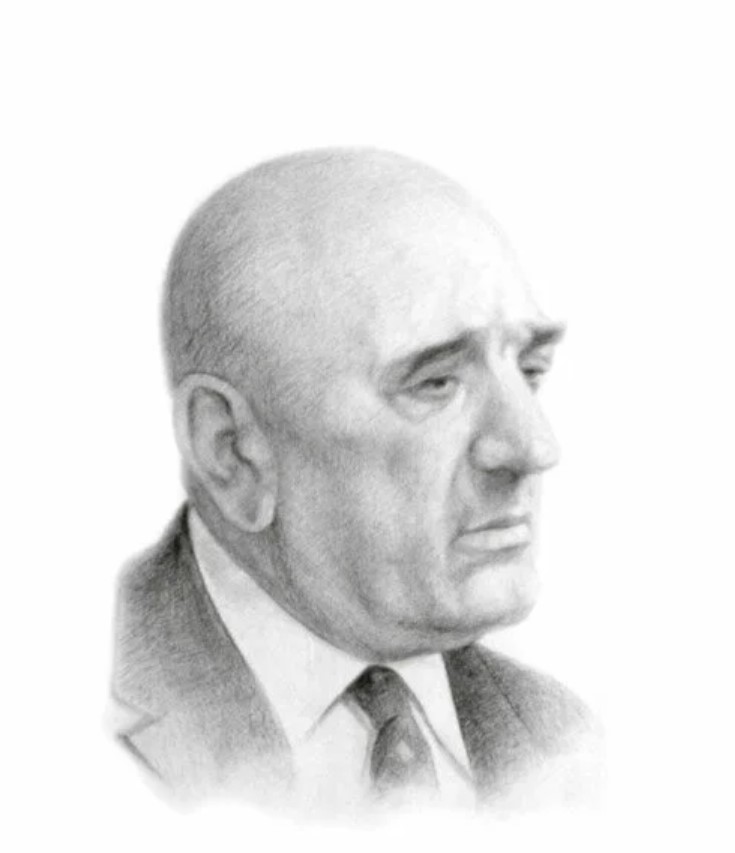
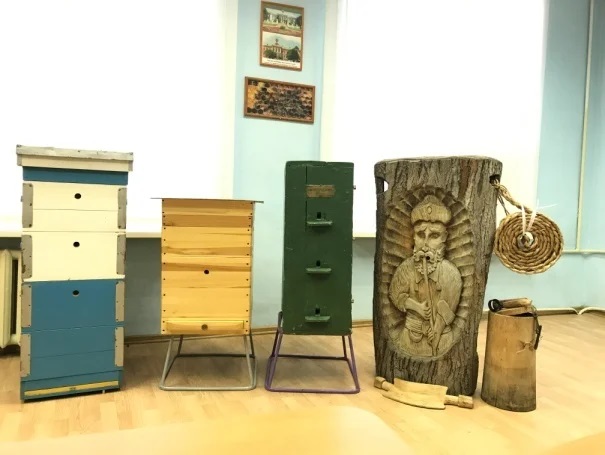
The history of the beekeeping museum collection at the Russian State Agrarian University – Moscow Timiryazev Agricultural Academy (RSAU-MTAA) dates back to 1868, coinciding with the establishment of a training and experimental apiary and a zootechnical cabinet. The initiator was I.N. Chernopyatov, the first professor of the Department of Private Animal Husbandry at the Petrovsky Academy. Among the teaching aids of that time, the so-called “Dr. Polman’s Bee Cabinet” stood out, which housed collections of various bee breeds and their natural enemies. Professor P.N. Kuleshov, who headed the same department, made a significant contribution to the accumulation of exhibits. He organized comparative trials of different hive designs at the apiary and introduced advanced methods of bee breeding and management. In 1887, the zootechnical cabinet was supplemented with visual aids: collections of hives, and domestic and foreign beekeeping equipment. In 1930, when the apiary was transferred to the Meat and Dairy Institute, part of the exhibits was lost. Thanks to the efforts of Professor N.M. Kulagin, the apiary and the museum were returned to the academy. Kulagin became a worthy continuer of museum traditions in beekeeping. Years later, using funds from his own public lectures, he built two mobile pavilions for the museum on the apiary grounds. Today, the exhibitions are housed in a separate building (Academic Building No. 33), erected in 1970 to a design by Professor G.A. Avetisyan. The Department of Aquaculture and Beekeeping is also located here. In 2016, the museum was named after G.A. Avetisyan, an outstanding scientist and long-time head of the Department of Beekeeping. The exhibition comprehensively covers the biology of the honey bee colony, technologies for bee keeping and breeding, the economics and organization of beekeeping, as well as the use of bees for honey collection and pollination of entomophilous plants. The materials on display include: Hives of different systems (horizontal hives, Dadant hives, multi-story hives, observation hives); Apiary inventory and equipment; Natural bee structures; Herbariums and seeds of honey plants; Models of fruits and vegetables; Collections of honey samples; Photographs and paintings depicting the life of bees. Particular attention is drawn to artistically executed models of wintering shelters and pollination apiaries. Materials on the history of beekeeping development in Russia and abroad have been gathered. Visitors can learn about the work of the outstanding Russian beekeeper P.I. Prokopovich, who invented the world’s first frame hive in 1814. The museum also features ancient log hives (bee gums), honey extractors, and provides information on methods of obtaining beekeeping products and their benefits. The museum is actively used in the educational process. It hosts classes for students of zootechnical, biological, and agronomic specializations, as well as advanced training courses for practicing beekeepers. The exhibits serve as visual material at all stages of training. Excursions at the G.A. Avetisyan Beekeeping Museum are available to all interested students and guests of the university. Visits to the apiary and the museum on Open House Days and Knowledge Day have become traditional for students from various faculties: Zootechnics and Biology, Agronomy and Biotechnology, Horticulture and Landscape Architecture, the Humanities and Education Faculty, and the Technological Faculty. A special audience consists of schoolchildren in grades 5-10 from the Timiryazevsky district. For students in grades 5-6, excursions are aimed at developing cognitive interest. Through visual aids (bees in their various manifestations), children become acquainted with the world of insects – bees and bumblebees – gain an expanded understanding of the beekeeper’s work, learn about the life activities of bees, the products they make, and the ecological role of bees. The Beekeeping Museum is a hands-on museum, which is especially appealing to young people. Many exhibits can be picked up, examined up close, or used as props for photos. By prior arrangement, the museum organizes tea parties with honey and screenings of thematic films.
Address: Moscow, Pasechnaya St., 1