Historical and Memorial Park
«Redoubt of 1812»
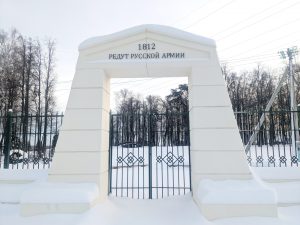
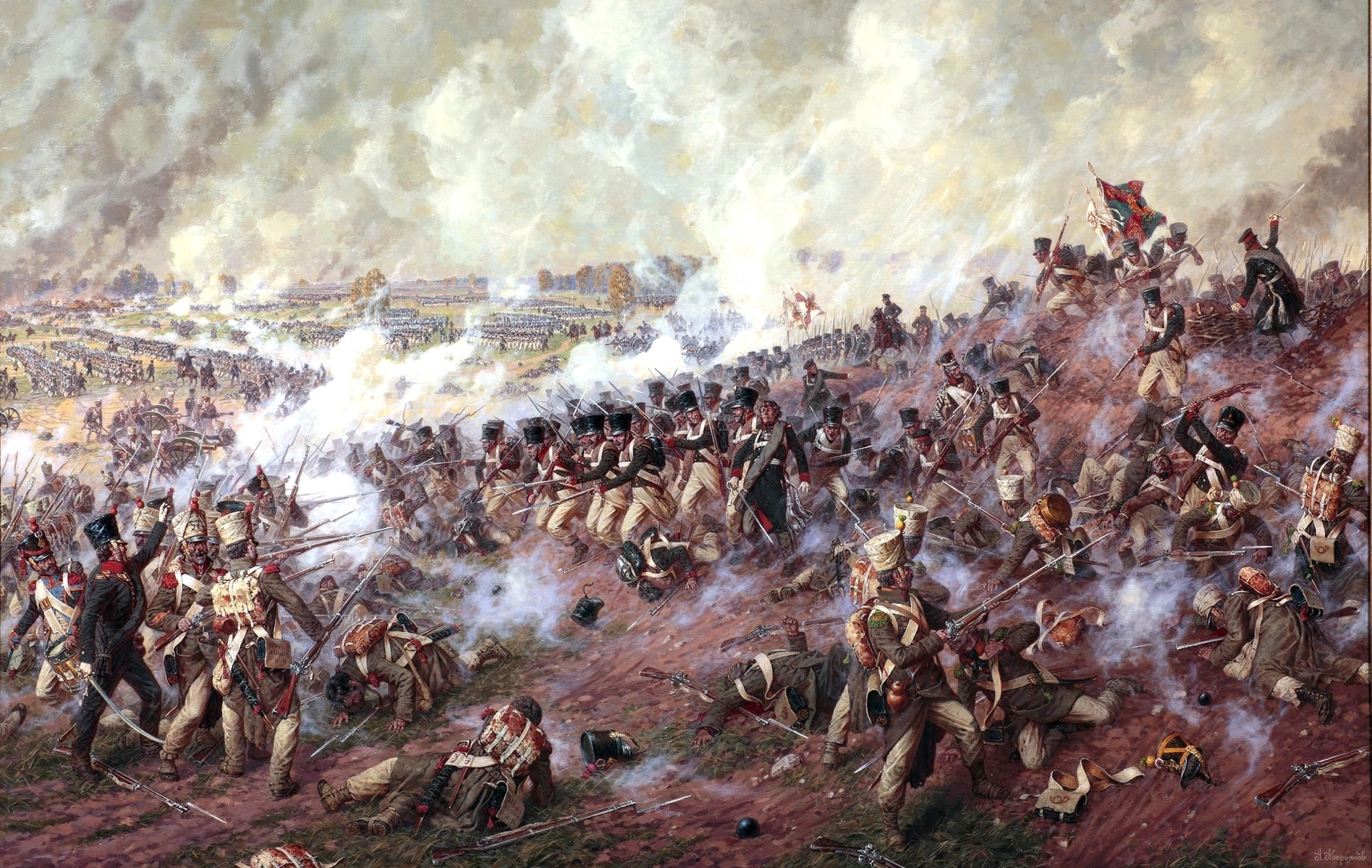
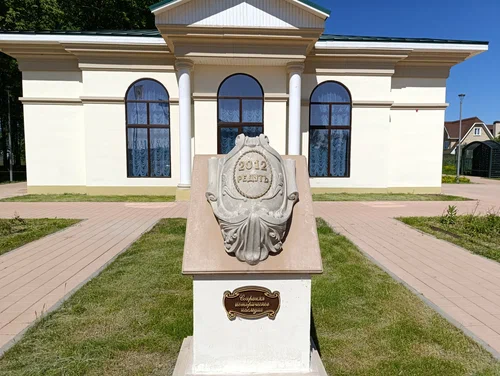
The Historical and Memorial Park «Redoubt of 1812» is dedicated to the events of the Patriotic War of 1812-a military conflict between the Russian and French Empires that lasted from June to December 1812. This conflict, often referred to in pre-revolutionary Russia as the «invasion of the twelve tongues» due to the multinational composition of Napoleon’s army, was triggered by Russia’s refusal to uphold the Continental Blockade of Great Britain and by France’s general geopolitical stance, which disregarded the interests of the Russian state. The war unfolded in two main stages: the retreat of the Russian army to Moscow, marked by the key Battle of Borodino, and the subsequent counteroffensive, which led to the near-total destruction of Napoleon’s “Grande Armée” under the combined pressure of Russian forces, severe frosts, and famine. Historians cite the popular nature of the war on the Russian side, the French army’s unpreparedness for campaigning across vast expanses in an unfamiliar climate, and the talent of the Russian command as key reasons for France’s defeat. The park’s name references one of the key fortifications of that era. A redoubt (from the French redoute-shelter) was a closed earthen fortification, typically in the shape of a quadrangle, pentagon, or hexagon, surrounded by a ditch and rampart. It was designed for all-round defense, measured 50 to 200 paces in length, and could accommodate a garrison of 200 to 800 men. A new visitor centre, located within the park, occupies 56 square metres and houses approximately three hundred exhibits. The space is decorated with dioramas depicting battle scenes, portraits of commanders, as well as banners and standards of the Russian army. Museum display cases present artifacts of daily life, elements of uniforms and equipment, weapons, and awards from the 1812 era. The centerpiece of the exhibition is an authentic cannon on a podium, surrounded by figures of an artillery crew in full period gear.
Address: Moscow, Krasnopakhorsky district, block No. 165