Museum Еstate
«Ostafyevo»
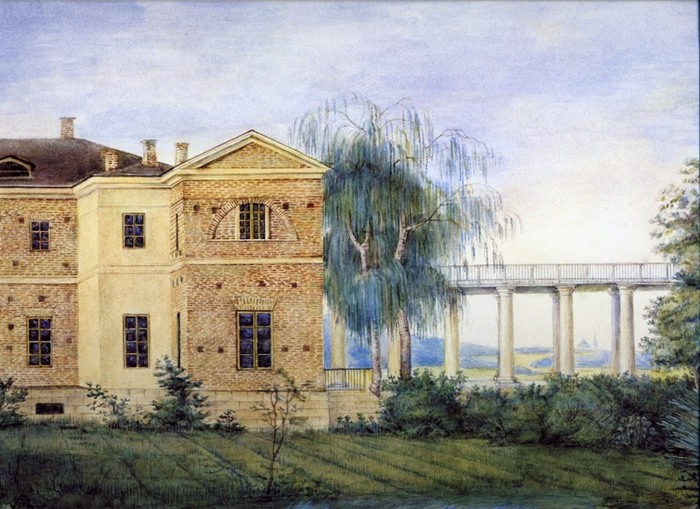
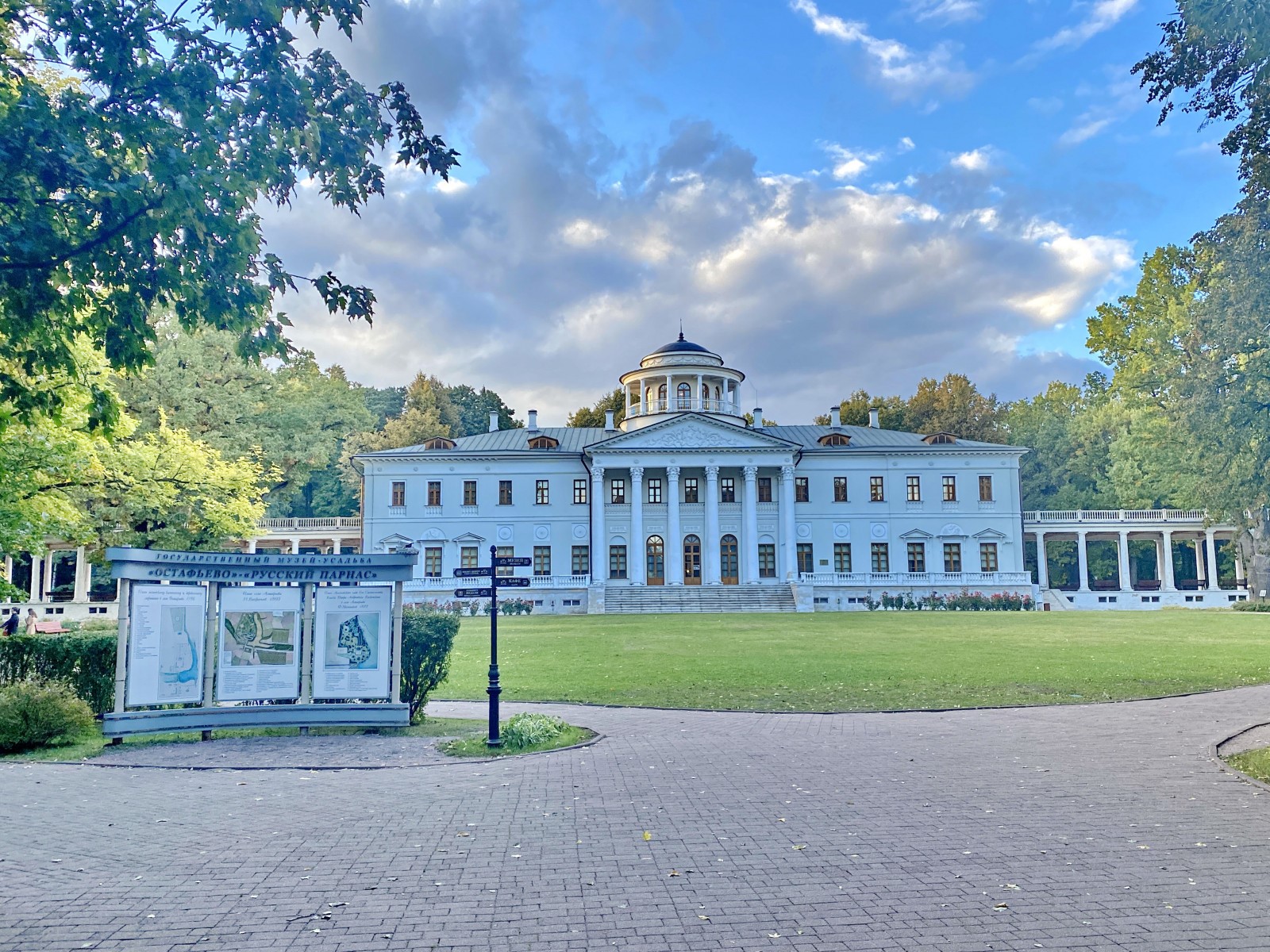
The Ostafyevo Estate Museum is an outstanding monument of Russian manor culture from the late 18th to the early 20th centuries, located in the modern Shcherbinka district (Moscow). The architectural and park ensemble, created under Prince Andrei Ivanovich Vyazemsky, is a brilliant example of classicism. The main house with two wings, united by open colonnades, forms a courtyard typical of the era. Construction is believed to have been carried out according to the design of the prominent architect Ivan Yegorovich Starov. Ostafyevo gained true fame as one of the most important literary salons in Russia in the first half of the 19th century, earning the unofficial name «The Russian Parnassus». For twelve years (1804-1815) the historian and writer Nikolai Mikhailovich Karamzin, who was married to the owner’s eldest daughter, lived and worked here on the first eight volumes of «The History of the Russian State». A separate wing was built for him on the estate grounds. Under the founder’s son, the poet Pyotr Andreyevich Vyazemsky, the estate reached the peak of its fame. P.A. Vyazemsky, a close friend of Alexander Sergeyevich Pushkin, turned Ostafyevo into a centre of attraction for the best minds of the era. Guests and creators who visited and worked here included A.S. Pushkin, V.A. Zhukovsky, K.N. Batyushkov, D.V. Davydov, A.S. Griboyedov (who read «Woe from Wit» here), N.V. Gogol, and public figures and writers from the «Arzamas» circle. The estate preserved a unique memorial collection, which included A.S. Pushkin’s personal belongings. In 1899, on the 100th anniversary of A.S. Pushkin’s birth, the new owner of the estate, the historian and Count Sergei Dmitrievich Sheremetev, opened a public Pushkin museum here-one of the first in Russia. In 1911-1913, at his initiative, memorial obelisks to N.M. Karamzin, as well as to A.S. Pushkin, V.A. Zhukovsky, P.A. and P.P. Vyazemsky, were installed in the park, created by the sculptor N.P. Panov. After the revolution, the museum was liquidated (1930), and the estate housed a rest home and a military hospital. In 1988, after a long public campaign, Ostafyevo regained its museum status. In 1995, the estate complex was included in the list of objects of historical and cultural heritage of federal significance. In addition to the main house, the ensemble includes the Church of the Holy Trinity (built in the 1780s) and an extensive landscape park covering more than 20 hectares. The park, with its system of alleys, cascading ponds, and viewpoints, is an integral part of the ensemble. So-called “Karamzin” oaks, planted in memory of the historian, are preserved here .
Address: Moscow, Troitskaya St., 1A