Valuevo Еstate
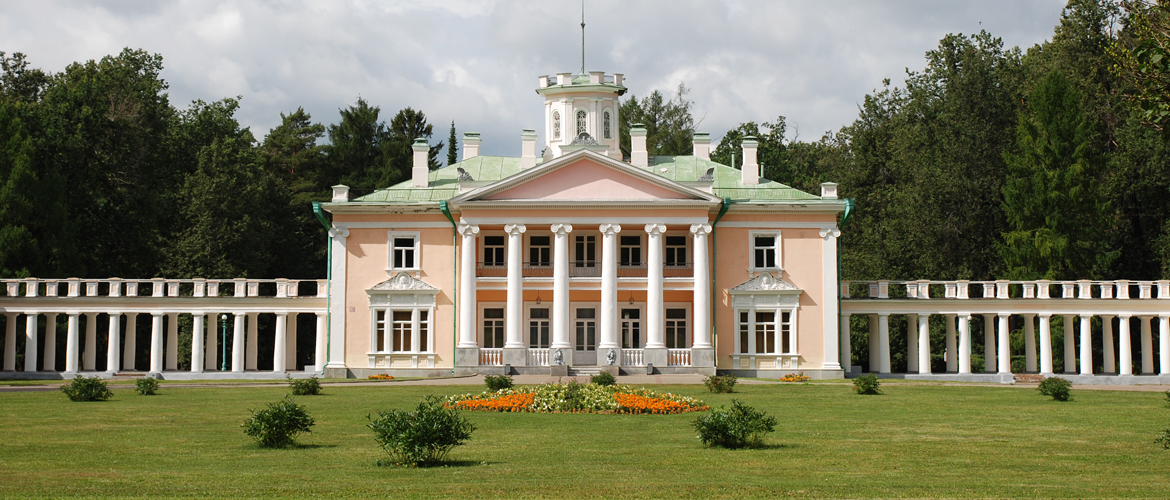
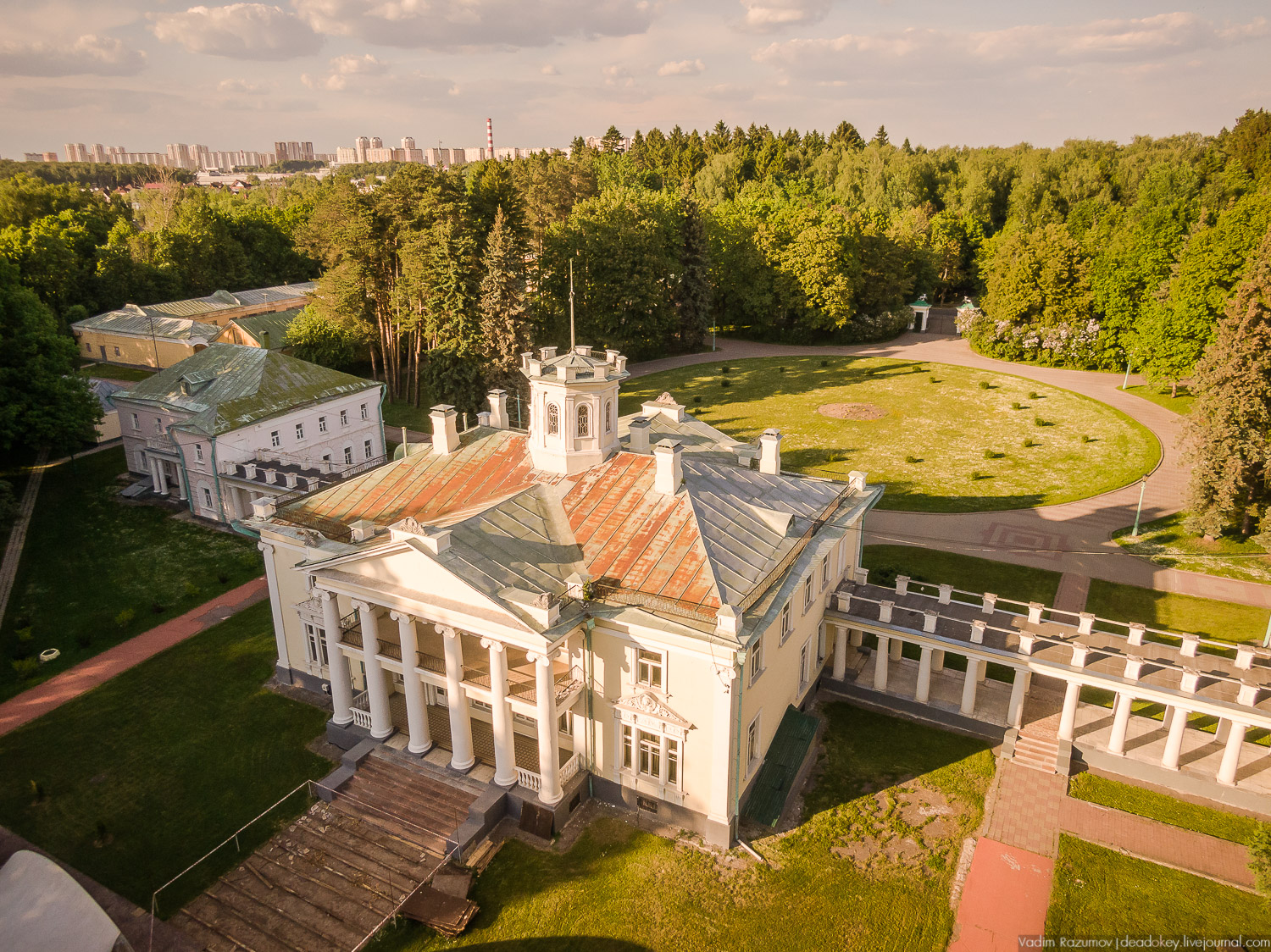
Pokrovskoye-Valuevo (formerly Nastasino) is a well-preserved estate that belonged to the scholar-nobleman A.I. Musin-Pushkin, situated on the banks of the Likova River in the village of Valuevo. The principal buildings, constructed at the turn of the 18th-19th centuries, currently house the «Valuevo» sanatorium. The village derives its name from the noble Valuev family; one of its members, state secretary (d’yak) Grigory Valuev, owned these lands in the early 17th century. Until 1861, the settlement was officially recorded as “Nastasino, also known as Pokrovskoye.” In the late 17th century, it was owned by the Meshchersky princes. In 1742, the heirs of P.A. Tolstoy sold Nastasino to General-in-Chief D.A. Shepelev, who commissioned the construction of a one-story wooden mansion and a stone estate church dedicated to the Intercession of the Holy Virgin; the church was demolished in the 1930s. Through a will, the estate was inherited by the retired lady-in-waiting Maria Kosheleva, who then passed it on to her niece, Princess Ekaterina Volkonskaya, later Countess Musina-Pushkina. The compact, harmonious, and integral estate ensemble was created in Nastasino at the turn of the 18th-19th centuries at the behest of Ekaterina Musina-Pushkina and her husband, Count Alexei Ivanovich. The count’s ancestral estates-Ilovna and Borisogleb, with their valuable art gallery-were located far from Moscow, in the Mologsky District. In Nastasino, his hospitable wife established a “suburban” retreat with a serf theatre, where she gathered her children, grandchildren, and acquaintances from Moscow during the summer. Frequent guests included neighboring landowners-the Chetvertinskys from Filimonki, the Vyazemskys from Ostafyevo, and the Gagarins from Yasenevo. Dances and charades were often organized, and everyone enjoyed themselves heartily. The next owner, the Decembrist Vladimir Musin-Pushkin, was an infrequent visitor to Pokrovskoye, although there are records indicating he hosted Pushkin and Baratynsky here. Due to his passion for card games and expenses on the attire of his beautiful wife, Emilia Karlovna, he became hopelessly mired in debt. In 1856, the Valuev volost was purchased by Prince Vladimir Chetvertinsky, son of the well-known figure in the Moscow society, Prince Boris Antonovich, owner of the neighboring Filimonki estate. After Prince Vladimir’s death, the estate was inherited by his sister, Vera Borisovna. Following the abolition of serfdom, historic noble estates began to pass into the hands of the emerging bourgeoisie. Valuevo was no exception to this trend. Starting in the 1880s, the estate was adapted to the tastes and needs of a merchant of the first guild, D.S. Lepyoshkin. At his expense, a water tower was built, balconies were added, the fence was renewed, and the original entrance gates were replaced with more ostentatious ones-featuring statues of deer facing each other. In 1920, the nationalized estate was transferred for the establishment of a “rest home for Moscow workers.” The departmental sanatorium, which was part of the Glavmosstroy structure, maintained the grounds in exemplary condition. During the Battle of Moscow, field mobile hospitals № 467 and 470 were stationed at the estate. In the northern part of the park lies a mass grave of Red Army soldiers who died in these hospitals. In the 1950s-60s, films such as «On the Stage Boards», «A Hussar Ballad», and «War and Peace» were filmed here; in the 1970s-My Sweet and Tender Beast. As of 2017, the territory is managed by PJSC «Clinical Sanatorium «Valuevo». In July 2024, restoration plans for the estate were announced. In November 2024, restoration work on the main entrance gates began. The dominant feature of the estate and park ensemble is the two-story wooden manor house (1810-1811) with a six-column Ionic portico and a mezzanine, above which rises a faceted belvedere with a spire. The house rests on a stone basement with brick vaults. The interior preserves artificial marble fireplaces, fragments of sculptural decoration, columns and stucco work, and parquet flooring. The main entrance is designed as a staircase flanked by metal lion statues (currently replaced by painted copies, presumably made of plaster).
Address: Valuevo village, 4A, building 6