The Historical Park of the Russian State Agricultural Academy named after K.A. Timiryazev
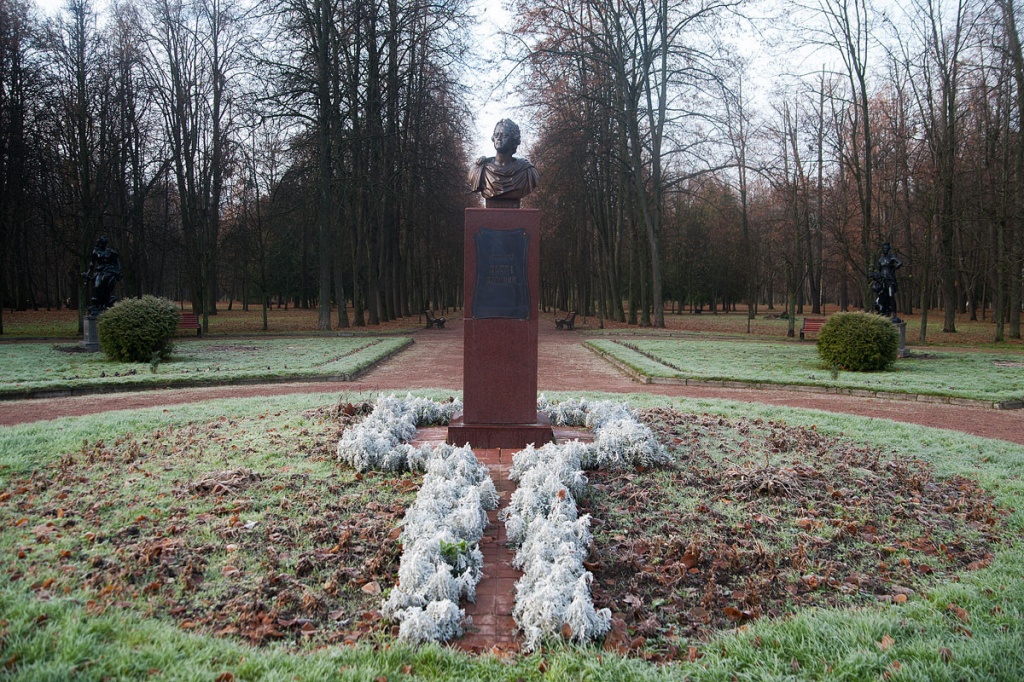
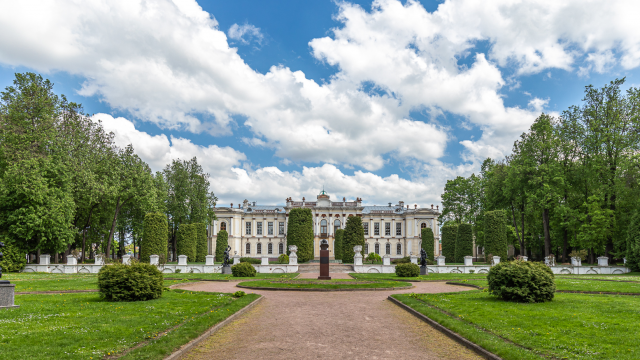
In Moscow’s Northern District a unique landmark has been preserved – the Historical Park of the Timiryazev Academy. It is not only the city’s “green lungs,” covering 232 hectares, but also a genuine encyclopedia of landscape-gardening art and agricultural science. The park is a living chronicle whose history began in the 17th century. According to legend, Peter the Great visited the site and planted oaks. In the mid‑18th century, under Count K.G. Razumovsky, an estate park was laid out that survives to this day. In 1865 the Petrovsky Agricultural and Forestry Academy – Russia’s first higher agricultural institution – opened on these lands, and the park gradually transformed from an aristocratic estate into a scientific base. It was given the name “Historical” in 1965. The heart of the park is the rector’s building, the former Petrovsko‑Razumovskoye estate, built in 1865 to a design by architect N.L. Benois. The building has two contrasting façades. The outer, “pink” façade faces the city and appears austere; the inner, “white” façade overlooks the park and is executed in ornate Baroque style. The windows here were (and still are) fitted with convex glass: they provided better lighting for the lecture halls and prevented students from being distracted by passers‑by outside. The park’s plantings were created by leading specialists. A special role was played by head gardener Richard Ivanovich Schroeder, who established the Arboretum with its collection of conifers and created a nursery; the Arboretum still bears his name. Schroeder also laid out the famous Larch Alley. Today trees from Europe, Asia, and North America grow in the park, making it an open‑air botanical museum. On the central square stands the sculptural group “The Four Seasons” – Flora, Demeter, Dionysus, and Selene. These 18th‑century statues form an astronomical composition linked to the sun’s movement. They were discovered in the storerooms of Tagansky Park in 1985 and returned to their original site in the 21st century. In 2016 a bust of Peter the Great by Zurab Tsereteli was also installed here. Another notable object is the decorative vase “Sol Invictus” (“The Unconquered Sun”), which features figures of puppies, lambs, and children and symbolizes the wish that younger generations preserve their energy and thirst for knowledge. The park contains grottoes left by former estate owners of the 18th and 19th centuries; picnics were held in them. One grotto is associated with a tragic 1869 event – the murder of student I.I. Ivanov – a story that inspired Dostoevsky’s novel Demons. The park inspired many cultural figures: Leo Tolstoy, Fyodor Dostoevsky, and Isaac Levitan all walked its paths. Military memory is preserved by the memorial to Timiryazev students who fell in the Great Patriotic War. For a long time the park was closed to the public; it is now open on Saturdays and Sundays from 08:00 to 19:00. In 2021 the park underwent renovation: lawns were renewed, irrigation systems installed, and information boards with QR codes set up. Museum staff are preparing an audio guide for visitors. The park is divided into zones: the upper terraces near the rector’s building form a formal, well‑tended garden, while the lower terraces resemble a wild forest with dirt paths and an atmosphere of silence. The Historical Park of the Timiryazev Academy is a place where nature, history, and science meet. It is a unique corner of Moscow where one can touch the past and enjoy tranquility.
Address: Moscow, Timiryazevskaya St., vl. 49