Dmitry Nikolaevich
Pryanishnikov
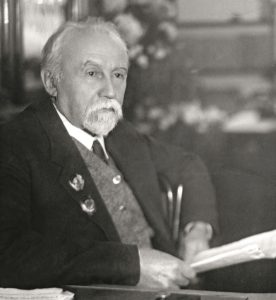
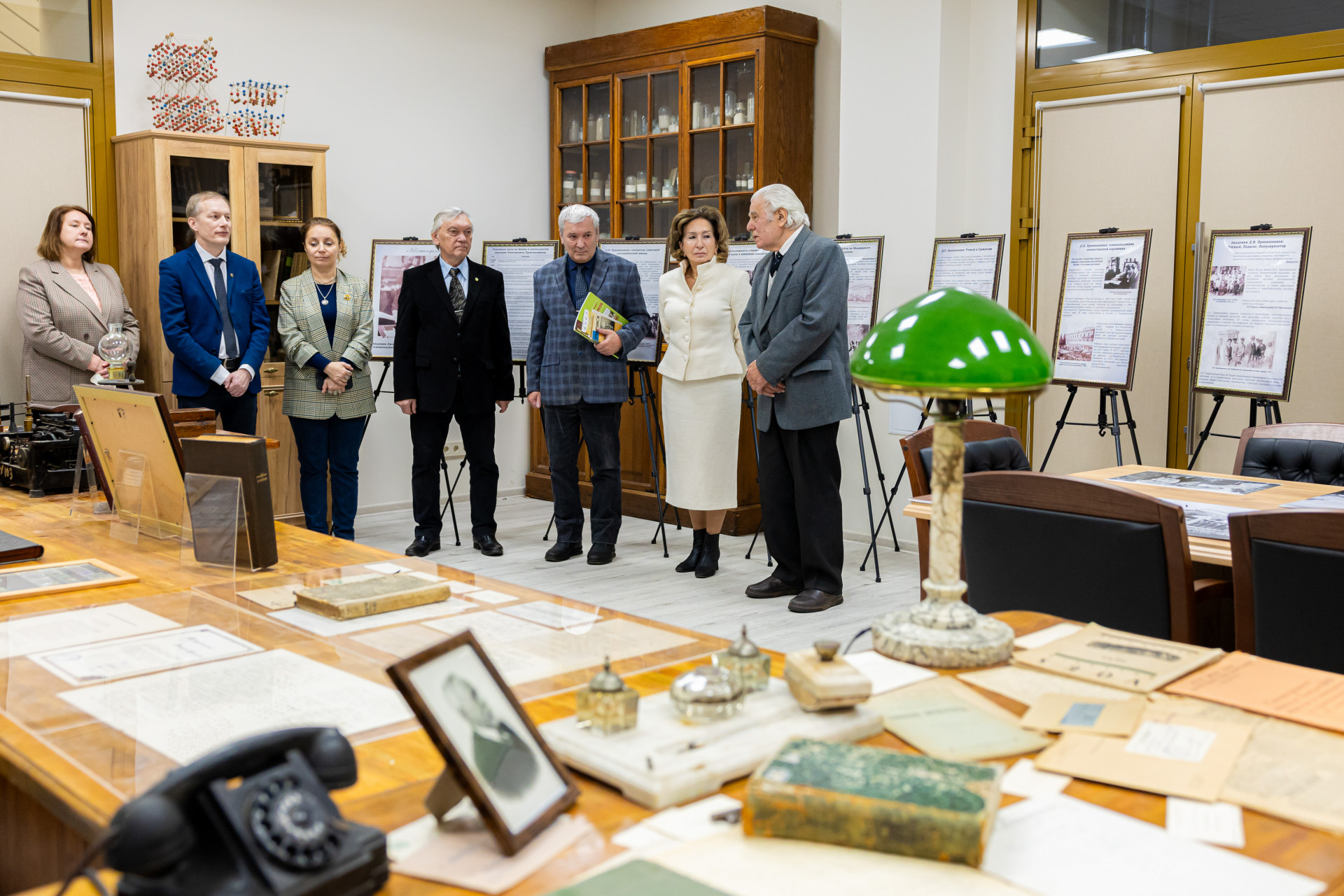
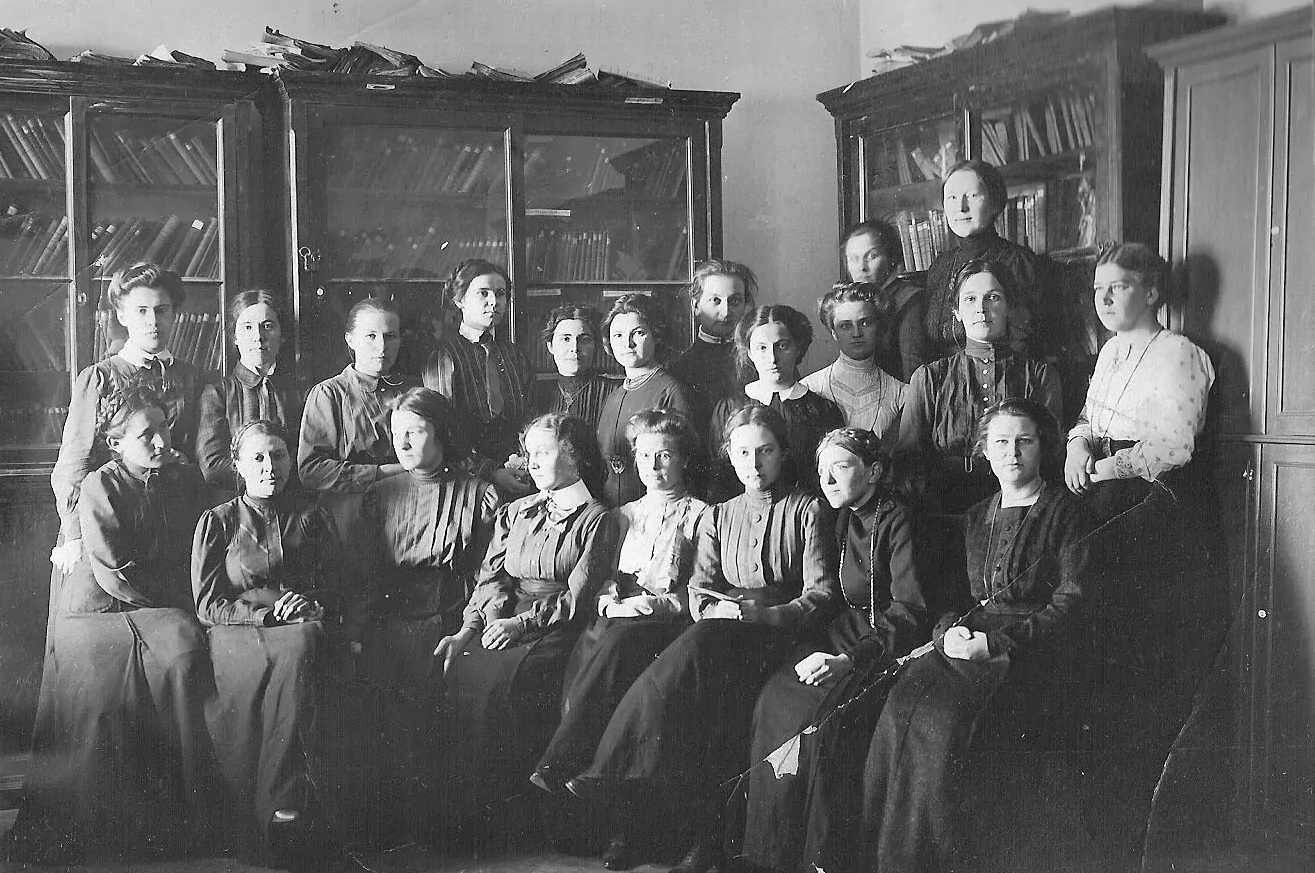
The D.N. Pryanishnikov Study‑Museum is located on the second floor of Building 17 (the old academic building) of the Russian State Agrarian University – Moscow Timiryazev Agricultural Academy, within the Department of Agronomic and Biological Chemistry and Radiology. Dmitry Nikolaevich Pryanishnikov (1865-1948) was an outstanding Russian and Soviet agrochemist, biochemist, and plant physiologist, and the founder of the scientific school of agronomic chemistry. He was an Academician of the USSR Academy of Sciences, VASKhNIL, and the French Academy of Sciences, and a Hero of Socialist Labor. A student of K.A. Timiryazev and other prominent scientists, Pryanishnikov worked for more than half a century at the Petrovsky Academy (now the Timiryazev Academy), where he headed the Department of Agrochemistry and served as acting rector. The museum opened in 2015 on the 150th anniversary of the scientist’s birth. Its room adjoins the large Agrochemistry Lecture Hall, which also bears Pryanishnikov’s name. The exhibition features authentic items that belonged to him: his desk and armchair; a collection of fertilizers and mineral agronomic ores; laboratory instruments (a photocolorimeter, scales, hydrometers); antique chemical reagents; and books, photographs, and personal documents. Of particular value are volumes of the series Results of Vegetation Experiments, which summarize trials conducted in the historical vegetation house. This greenhouse was given to Pryanishnikov by his teacher K.A. Timiryazev after the Nizhny Novgorod Exhibition and is still used by the department, effectively serving as an extension of the museum. Pryanishnikov left a vast scientific legacy – more than 550 published works, including the fundamental books Private Agriculture; The Theory of Fertilization; Agrochemistry (which went through four editions during his lifetime); and Nitrogen in Plant Life and Agriculture of the USSR. He developed the scientific basis for using mineral fertilizers, studied the mechanisms by which plants absorb ammonium and nitrate nitrogen, advocated the use of phosphorites, and proposed a method for producing compound fertilizers using nitric acid that was later implemented industrially. He provided a physiological characterization of domestic potassium salts, addressed liming of acidic soils and gypsum treatment of solonetz soils, and refined methods for vegetation experiments and plant analysis. During the Great Patriotic War his developments played an important role in strengthening the nitrogen industry (fertilizer, gunpowder, and explosive production) and in reclaiming more than 13 million hectares of land in Central Asia. For these achievements he was awarded the Order of the Patriotic War, First Class – an honor the scientist valued highly. The scientific school founded by Pryanishnikov united dozens of prominent agrochemists and crop scientists who later headed departments, research institutes, and experimental stations across the country. Pryanishnikov’s scientific activity defined an era in agronomic chemistry; his works have stood the test of time, and the principles he developed remain relevant today.
Address: Moscow, Pryanishnikova St., 6.