The State Museum of Oriental Art
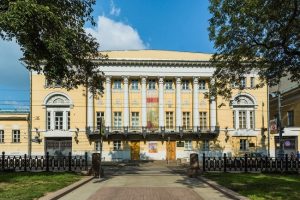
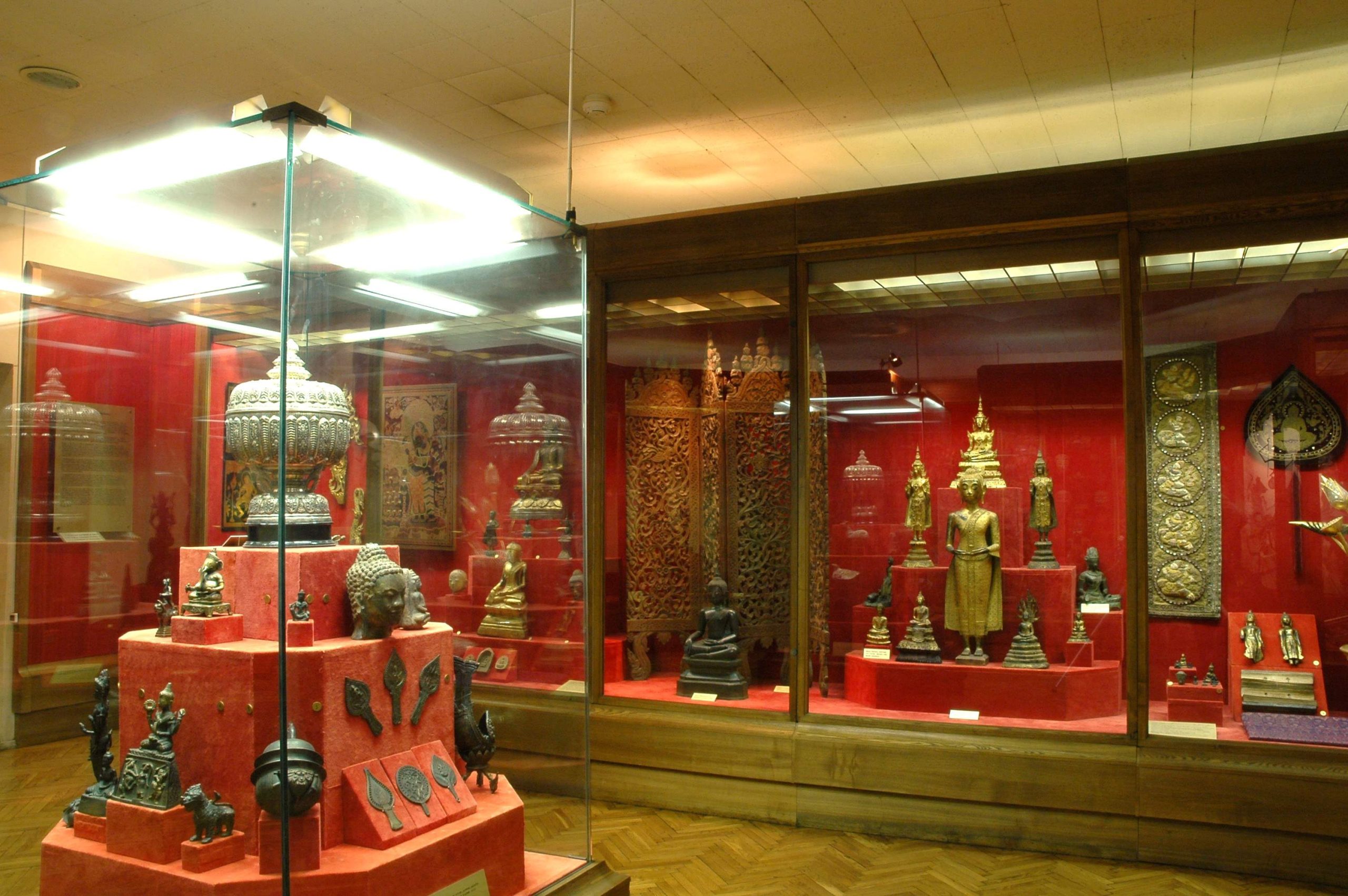
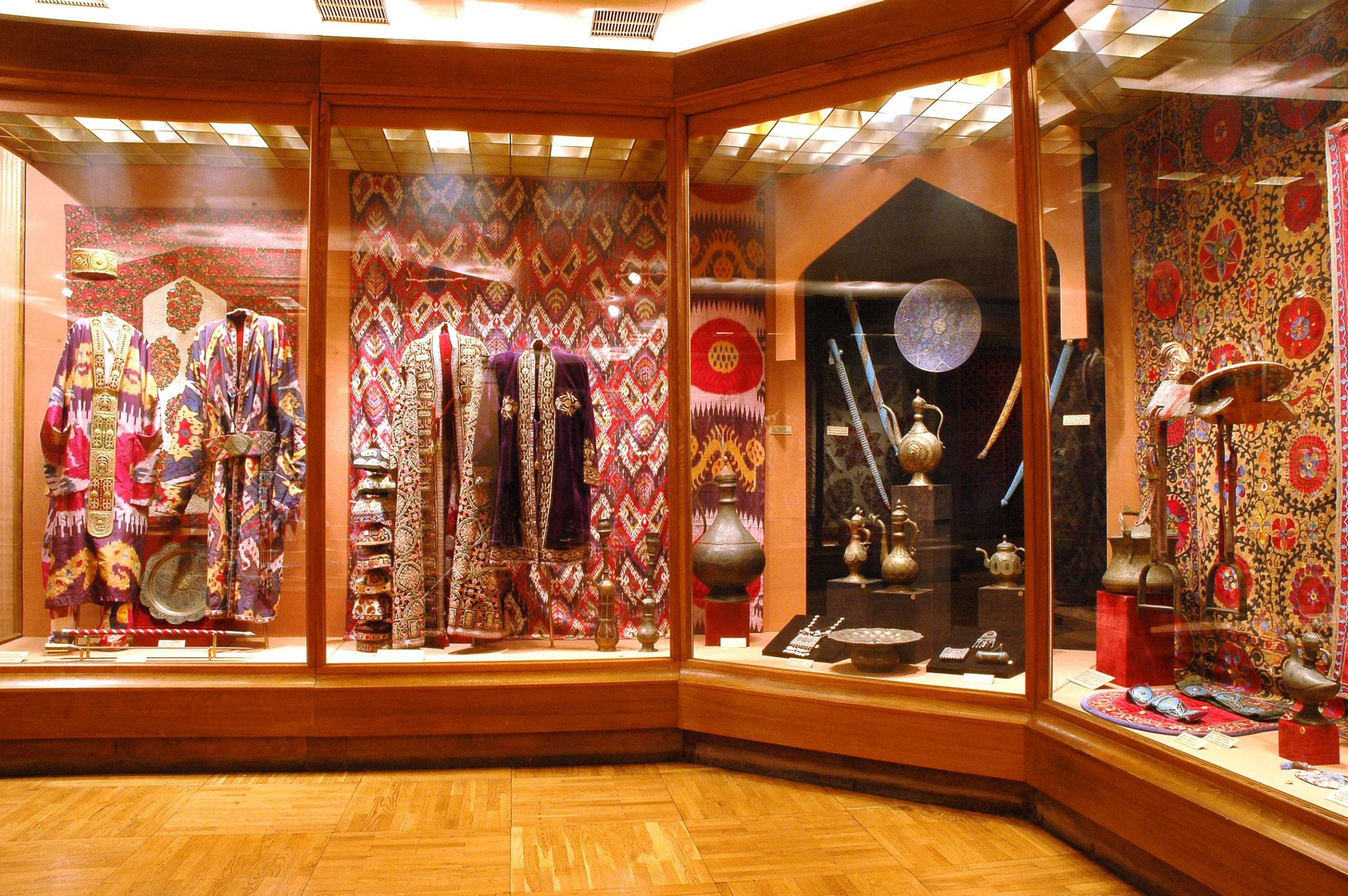
The State Museum of the East in Moscow is Russia’s largest centre for the study and preservation of the artistic heritage of the peoples of Asia, the Caucasus, and Africa. Its collections comprise over 150,000 items amassed over more than a century. The museum was founded in 1918 and, after several relocations around the city, in 1984 finally found a permanent home in the historic Lunin estate on Nikitsky Boulevard, a monument of Empire‑style architecture. The main exhibition is housed there, while storage facilities and the branch containing the Roerich family collection are located at VDNH. The museum’s permanent exhibition, featuring about five thousand objects, is organised by region and occupies three floors of the main building. It offers a systematic overview of the art of many cultures. The Caucasus, Central Asia, and Kazakhstan are represented by traditional crafts-jewellery, weapons, carpets, and paintings, including works by Niko Pirosmani and Martiros Saryan-as well as a rich collection of textiles such as Turkmen carpets, Uzbek covers, and felt goods from the Kyrgyz and Kazakhs. The Iranian collection is among the richest and includes archaeological finds (notably the famous Luristan bronzes), ceramics, calligraphy, and Persian carpets. Chinese art in the collection spans an enormous time period from the Neolithic to the early twentieth century, and includes ancient ritual bronze vessels, jade discs, an extensive assemblage of porcelain, and unique miniature snuff bottles painted from the inside. The Japanese displays feature Buddhist sculpture, tea‑ceremony utensils, weapons, netsuke, and kimonos. Key exhibits include diplomatic gifts from Emperor Meiji to Nicholas II, such as an intricate ivory composition, “Eagle on a Pine,” and a ceremonial folding screen. The Indian collection comprises roughly three thousand objects, including stone and metal sculptures, ceremonial items, cold weapons with precious inlays, and textiles. Special attention is given to the art of Southeast Asia; this collection began to take shape in the 1970s and features Buddhist sculptures and decorative and applied arts from Vietnam, Indonesia, Thailand, and other countries. The museum also houses the Nikolai Roerich Memorial Study, which recreates the atmosphere of his Indian home and displays personal belongings, artefacts, and the artist’s works. The museum conducts active educational work. Its lecture hall hosts regular series on the mythology, history, art, and contemporary culture of the East delivered by research staff, and there are special programmes for children. The museum also presents traditional Chinese and Tibetan tea ceremonies, introducing guests to the philosophy of the ritual and various types of tea. Temporary exhibitions devoted to contemporary art, archaeological discoveries, or decorative and applied arts from different countries are organised regularly. Visitors planning to attend events or exhibitions should consult the museum’s official website for up‑to‑date information on opening hours, ticket prices, and whether prior booking is required.
Address: Moscow, Nikitsky Boulevard, 12A, building 1