Mikhail Alexandrovich
Sadovsky
1904-1994
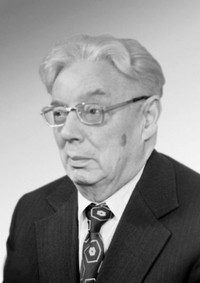
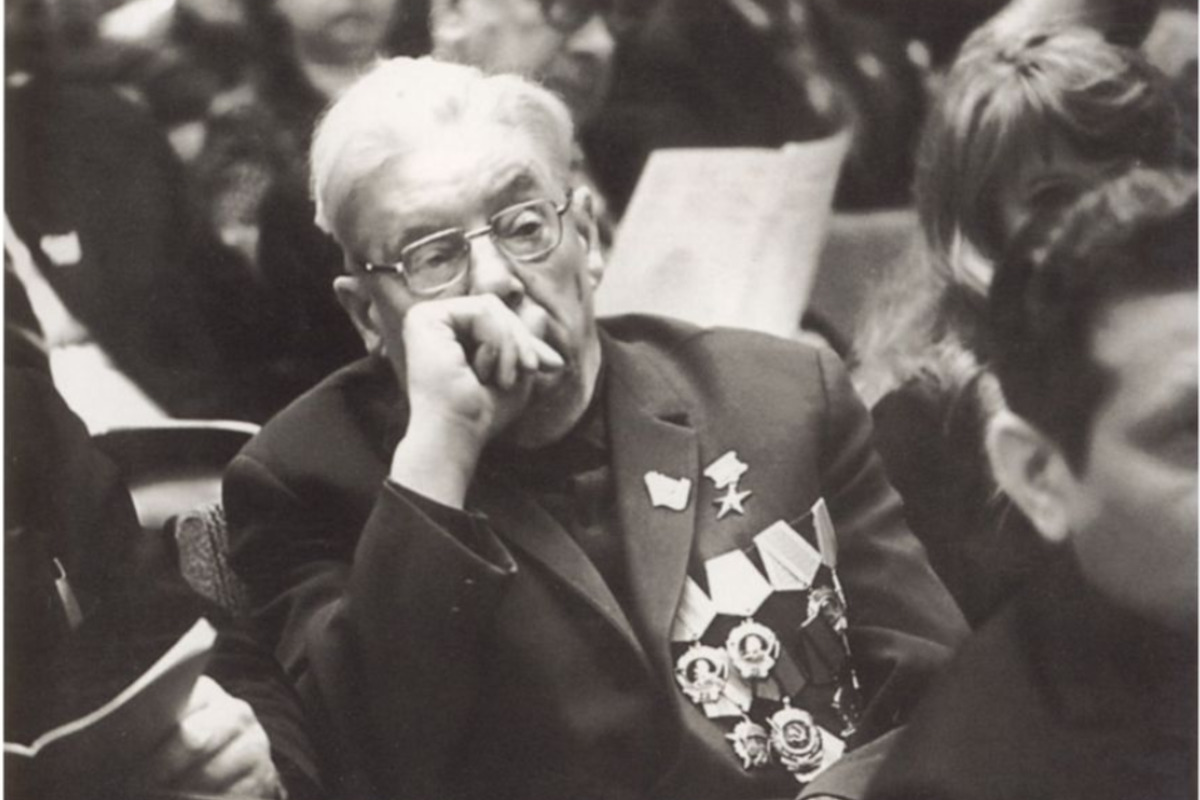
Mikhail Alexandrovich Sadovsky was a Soviet geophysicist and explosion physicist, Academician of the USSR Academy of Sciences (1966), Hero of Socialist Labor (1949), and laureate of the Lenin Prize (1962) and four USSR State Prizes (1948, 1949, 1951, 1953). He was one of the key organizers of the scientific support for nuclear weapons testing in the USSR. Born on November 6, 1904, in St. Petersburg. In 1928, he graduated from the Physics and Mechanics Faculty of the Leningrad Polytechnic Institute with a specialization in geophysics. From 1929, he worked at the Seismological Institute of the USSR Academy of Sciences (from 1947 – the Institute of Physics of the Earth, USSR Academy of Sciences). In the 1930s, he specialized in studying the seismic effects of industrial explosions and developing methods for directed blasting, which were successfully applied, in particular, in the construction of the Chirchik Hydroelectric Power Station. In 1936, he was awarded the degree of Candidate of Physical and Mathematical Sciences without defending a dissertation. During the Great Patriotic War, while evacuated to Kazan, he worked at the Institute of Chemical Physics (ICP) of the USSR Academy of Sciences, conducting research on shock waves. He derived an empirical relationship between shock wave parameters and explosion yield (the “Sadovsky formula”), which later became the basis for the methodology of determining the TNT equivalent of nuclear explosions. In 1945, he was recruited to work on the Soviet atomic project. In 1946, a special sector for studying nuclear explosions was established at the Institute of Chemical Physics of the USSR Academy of Sciences, and Sadovsky was appointed its head. Under his leadership, the major part (about 80%) of the instrumentation for recording physical processes during the first test of the Soviet atomic bomb RDS-1 on August 29, 1949, was developed and manufactured. Sadovsky directly participated in selecting the site for the Semipalatinsk Test Site and was appointed scientific supervisor of physical measurements at the test site. For the successful completion of this work, he was awarded the title of Hero of Socialist Labor. In subsequent years, he led the development of methods and instrumentation for testing the thermonuclear device RDS-6s (1953) and other nuclear tests. In 1953, he was elected a Corresponding Member of the USSR Academy of Sciences. In 1958, he was a member of the Soviet delegation at the International Conference of Experts in Geneva on the control of the prohibition of nuclear tests. From 1960 until the end of his life, he served as Director of the Institute of Physics of the Earth of the USSR Academy of Sciences. Under his leadership, the institute became a leading center for the development of seismic methods for monitoring nuclear tests. On his initiative and under his scientific supervision, highly sensitive seismic stations were established across the USSR, laying the foundation for the national monitoring system. In 1992, on his initiative, the Institute of Geosphere Dynamics of the Russian Academy of Sciences was established on the basis of specialized departments of the institute; in 2019, it was named after him.
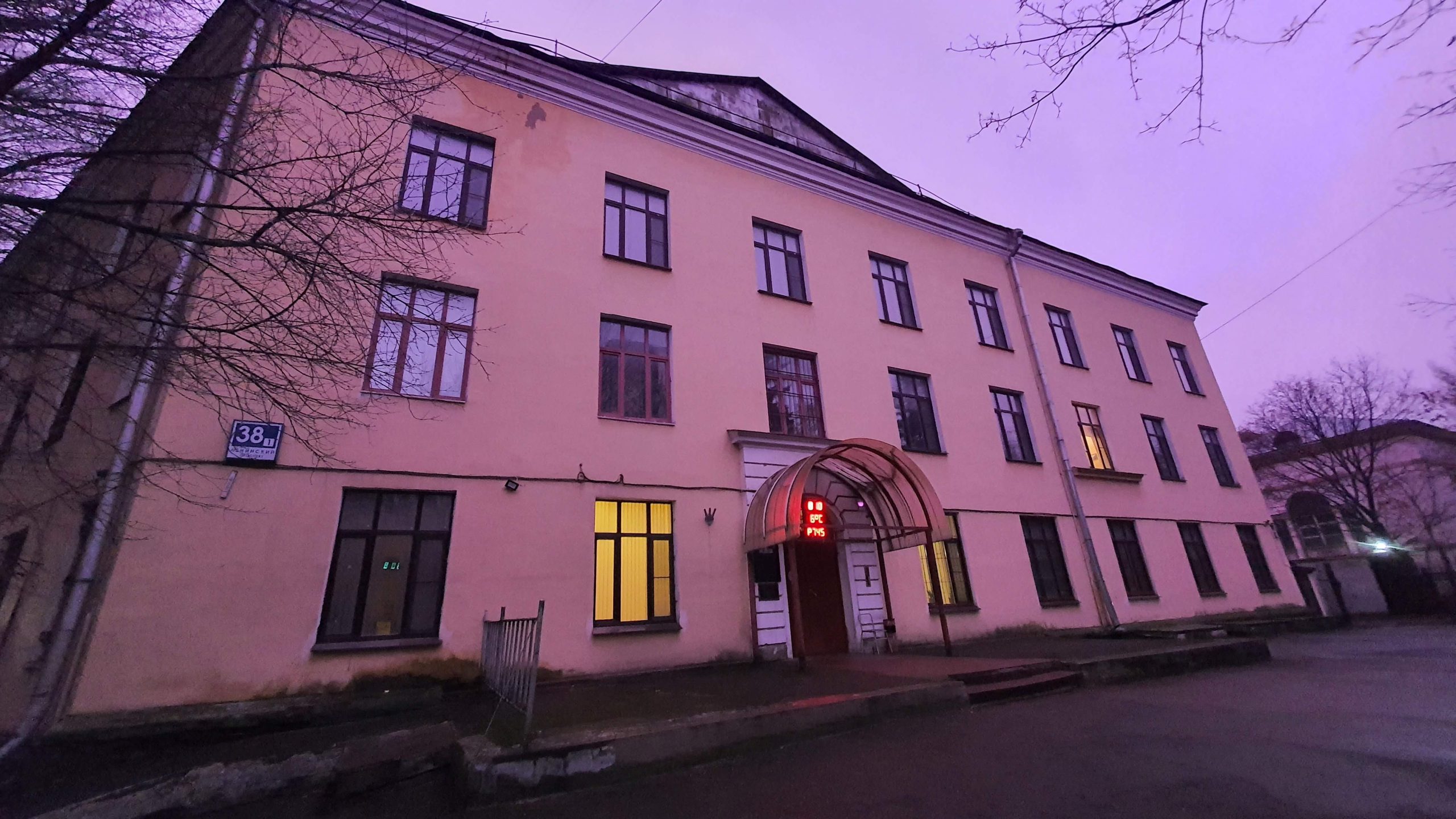
Address: Moscow, Leninsky Prospekt, 38, building 1