Mikhail Afanasyevich
Bulgakov
1891-1940
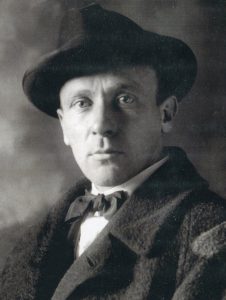
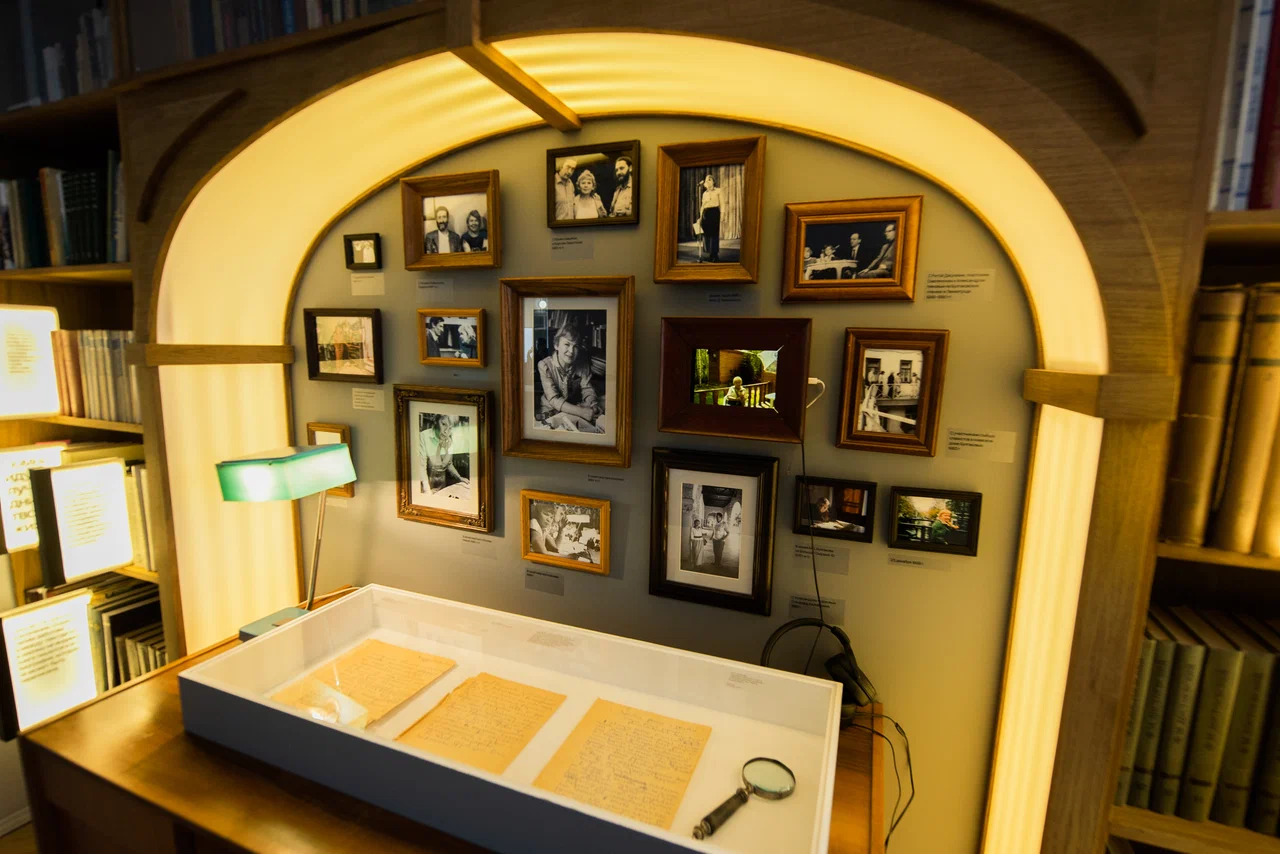
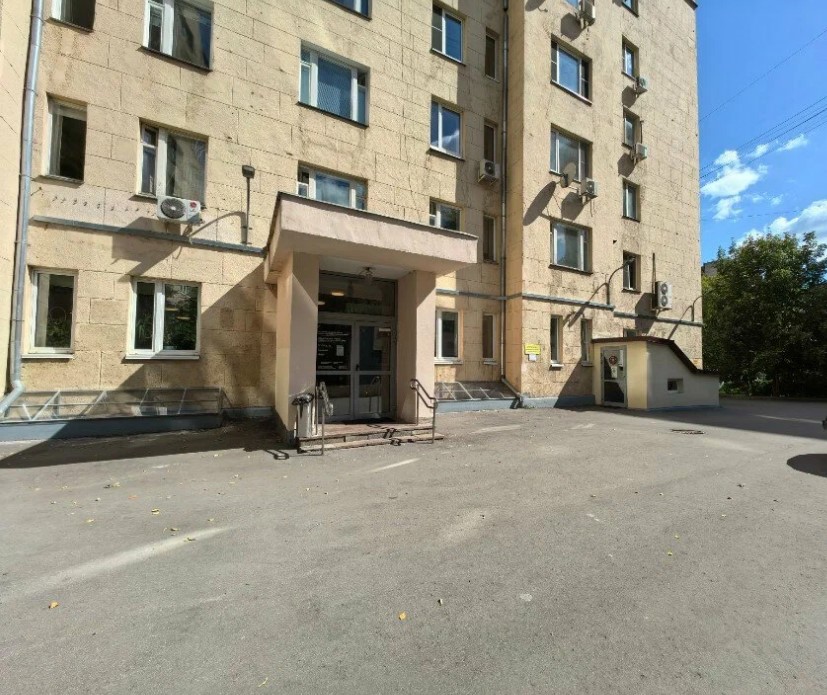
Mikhail Afanasyevich Bulgakov was a Russian writer of the Soviet period, a physician, playwright, theater director, and actor. He is the author of novels, novellas, short stories, plays, film scripts, and feuilletons. Mikhail Bulgakov was born on May 15, 1891, into the family of Afanasy Ivanovich Bulgakov, a professor at the Kyiv Theological Academy, and Varvara Mikhailovna. He was one of seven children in the family. In 1909, after graduating from the First Kyiv Gymnasium, Bulgakov enrolled in the medical faculty of Kyiv University. In September 1916, Bulgakov began working as a doctor at the Nikolskaya Zemstvo Hospital in the Sychevsky district of the Smolensk Governorate – later, in September 1917, he was transferred to the zemstvo hospital in Vyazma. In the spring of 1918, Bulgakov returned to Kyiv, where he started a private medical practice. In the autumn of 1919, as part of the Volunteer Army, Bulgakov went to the North Caucasus region. In November 1919, Bulgakov’s first known publication appeared in the newspaper “Grozny” – an article titled “Future Prospects” (Gryadushchiye perspektivy). In 1920, in Vladikavkaz, Bulgakov began collaborating with the Terek Department of Public Education, publishing reviews and feuilletons, and writing plays for the local theater. In the autumn of 1921, the writer moved to Moscow and started working as a secretary in the Literary Department (Lito) of the Chief Committee for Political Education (Glavpolitprosvet); subsequently, he began publishing in newspapers and magazines (“Pravda,” “Rabochy,” “Gudok,” “Nakanune,” and others). In the 1920s, the novel “The White Guard” (partially) and the novellas “Notes on Cuffs,” “The Diaboliad,” “The Fatal Eggs,” as well as numerous short stories, sketches, and feuilletons were published. In the autumn of 1926, Bulgakov’s plays “The Days of the Turbins” (at the Moscow Art Theatre) and “Zoyka’s Apartment” (at the Vakhtangov Theatre) were staged, and later, at the end of 1928, a performance based on the play “The Crimson Island” was staged at the Kamerny Theatre. In 1930, Mikhail Bulgakov took a position as a consultant at the Theater of Working Youth and was enrolled at the Moscow Art Theatre as an assistant director. In 1936, the play “Molière” was staged at the Moscow Art Theatre. In 1936, Bulgakov was enrolled at the Bolshoi Theatre as a librettist-consultant. In the 1930s, Bulgakov worked on the novels “The Master and Margarita,” “A Theatrical Novel” (“Notes of a Dead Man”), “The Life of Monsieur de Molière,” the plays “Ivan Vasilievich,” “Alexander Pushkin,” “Adam and Eve,” as well as dramatizations, film scripts, opera librettos, translations, and much more. Currently, the Mikhail Bulgakov State Museum is actively engaged in the study and popularization of the writer’s creative legacy. Today, the Mikhail Bulgakov Museum comprises three spaces with permanent exhibitions, temporary displays, and a broad educational and cultural program: two memorial spaces – the legendary “unlucky apartment” at 10 Bolshaya Sadovaya Street, Bulgakov’s apartment at 35A Bolshaya Pirogovskaya Street, and the Scientific and Educational Centre at building 4, 35-37 Bolshoy Afanasyevsky Lane. The Scientific and Educational Centre on Arbat was opened in March 2023 – the premises of a former district library were transformed into a multi-format venue, a large and bright space for both a wide audience of readers and for researchers of Bulgakov’s life and work. The Arbat and the Arbat lanes – along with the “unlucky apartment” on Bolshaya Sadovaya and the memorial apartment on Bolshaya Pirogovskaya – are another significant location for the writer. On neighboring Nashchokinsky Lane, in the now-demolished building 3-5 (torn down in the 1970s), was Bulgakov’s last apartment, where he lived with his third wife, Elena Sergeevna, and her son, Sergei. Here he wrote “A Theatrical Novel” (“Notes of a Dead Man”), the plays “Don Quixote” and “Batum,” and continued working on the novel “The Master and Margarita” until the last days of his life. The Centre houses a library, a manuscript section for the preservation and study of the works of Bulgakov scholars, the memorial exhibition “The Study of M.O. Chudakova,” and temporary exhibitions, and hosts numerous lectures and events. The Bulgakov Centre on Arbat operates a library lending service. It offers Russian and foreign classical and contemporary fiction, books on history, philosophy, fine arts, theater, cinema, music, a large collection of sheet music, and literary criticism – monographs and articles dedicated to the life and work of Mikhail Bulgakov and other writers.
Address: Moscow, Bolshoy Afanasyevsky Lane, 35-37, building 4