Museum of Telephone History
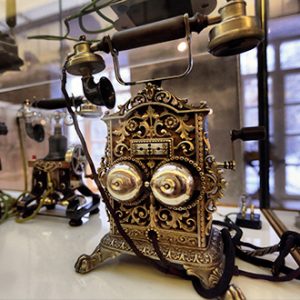
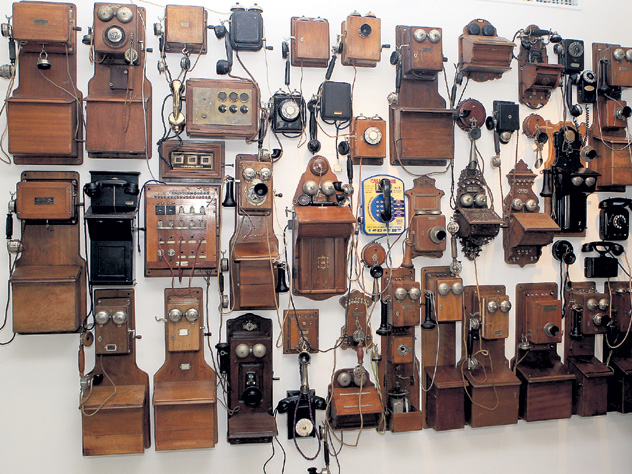
From the moment of its appearance to the present day, the telephone has served as an element of its owner’s status, and therefore its manufacturers have always paid attention to both its functionality and its design. The history of the development of telephone communications in Russia began in the early 1880s, simultaneously with the telephone installation in the largest cities of Europe – manual telephone exchanges were opened in the capital cities of St. Petersburg and Moscow, as well as in other regional centres of the empire. At the dawn of telephony, the number of subscribers in each Russian city reached only a few dozen, and these were the most famous and wealthy citizens and enterprises. Lists of the first subscribers were published in newspapers. The telephone installation was carried out by the American firm A.G. Bell. The first telephone sets were bulky and heavy and did not allow the owner to dial a number – communication was established either directly with a single permanent partner using copper or steel wires, or manually through a telephone exchange with the help of telephone operators – «telephone ladies». Telephone lines were initially overhead – they were laid on poles along streets and across the roofs of houses. For protection against lightning strikes during thunderstorms, telephone sets and switchboards were equipped with lightning arresters. It was only at the beginning of the 20th century, when telephone networks in Russia had grown considerably, that telephone wires began to be hidden underground – in Moscow, the laying of cable ducts from 1901 was undertaken by Swedish specialists. Simultaneously with this, a radical modernisation of the Moscow telephone network took place, with the latest equipment and technologies supplied by the famous Swedish firm L.M. Ericsson & Co. Fragments of the capital’s first cable channels are still successfully used today. Since the end of the 19th century, foreign telephone companies were widely represented in the vast Russian consumer market, the most famous of which – L.M. Ericsson & Co and Siemens & Halske – built telephone factories in the capital city of St. Petersburg. By the beginning of the 20th century, telephone communication in Russia had become a mass phenomenon – telephone networks numbered hundreds of thousands of subscribers. In Moscow alone, before the revolution of 1917, the volume of the city network exceeded 60,000 subscribers. In the museum’s exhibition, one can trace how technologies and materials in telephony have changed over the last century and a half – manual connection gave way to automatic, and wired to cellular. Gradually, the telephone evolved from an expensive toy, first into a work of art for decorating a drawing-room or study, and over time into an absolutely essential attribute of modern life. With the aim of preserving the cultural and scientific heritage in the field of telephone communication, promoting engineering and technical knowledge among young people, and disseminating information about the achievements of Russian scientists and inventors, the Museum of Telephone History has been operating in Moscow since 2018. Today, it is the largest collection in Europe, comprising over 3,000 objects: vintage telephone and telegraph sets, accessories, thematic books and documents from the mid-19th to the early 21st century. Of these, the Museum’s permanent exhibition consists of over 600 iconic models of telephones from throughout their history – from the most beautiful and legendary masterpieces of telephone art to the rarest and most unusual, from landline wired to mobile and satellite phones.
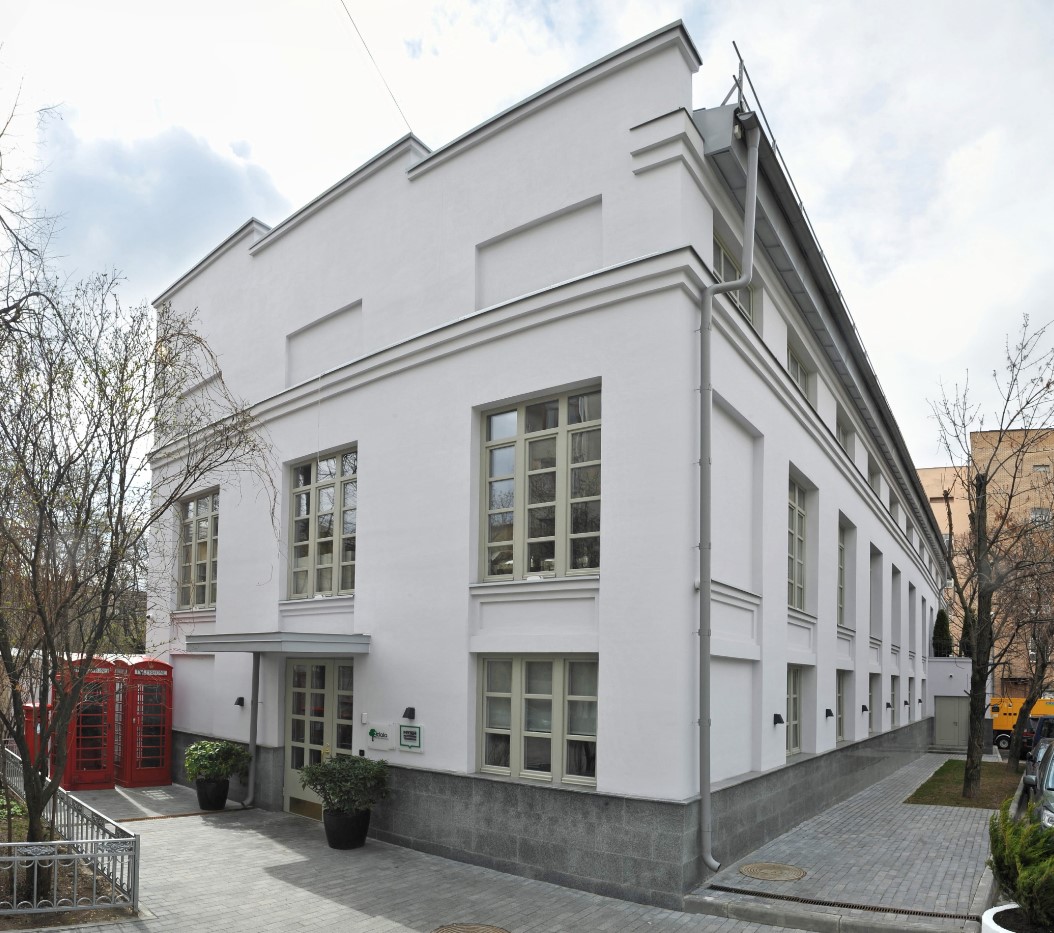
Address: Moscow, Sadovaya-Kudrinskaya str., 19, building 2